
Author
Inovagio team.
We build the Inovagio platform: AI workers that learn how a regulated business really runs from its own people, do the routine work inside its rules, and record every step. We write about knowledge, control and the cost of each task, from building and running the platform.
The people who build the Inovagio platform
38 articles and guides.
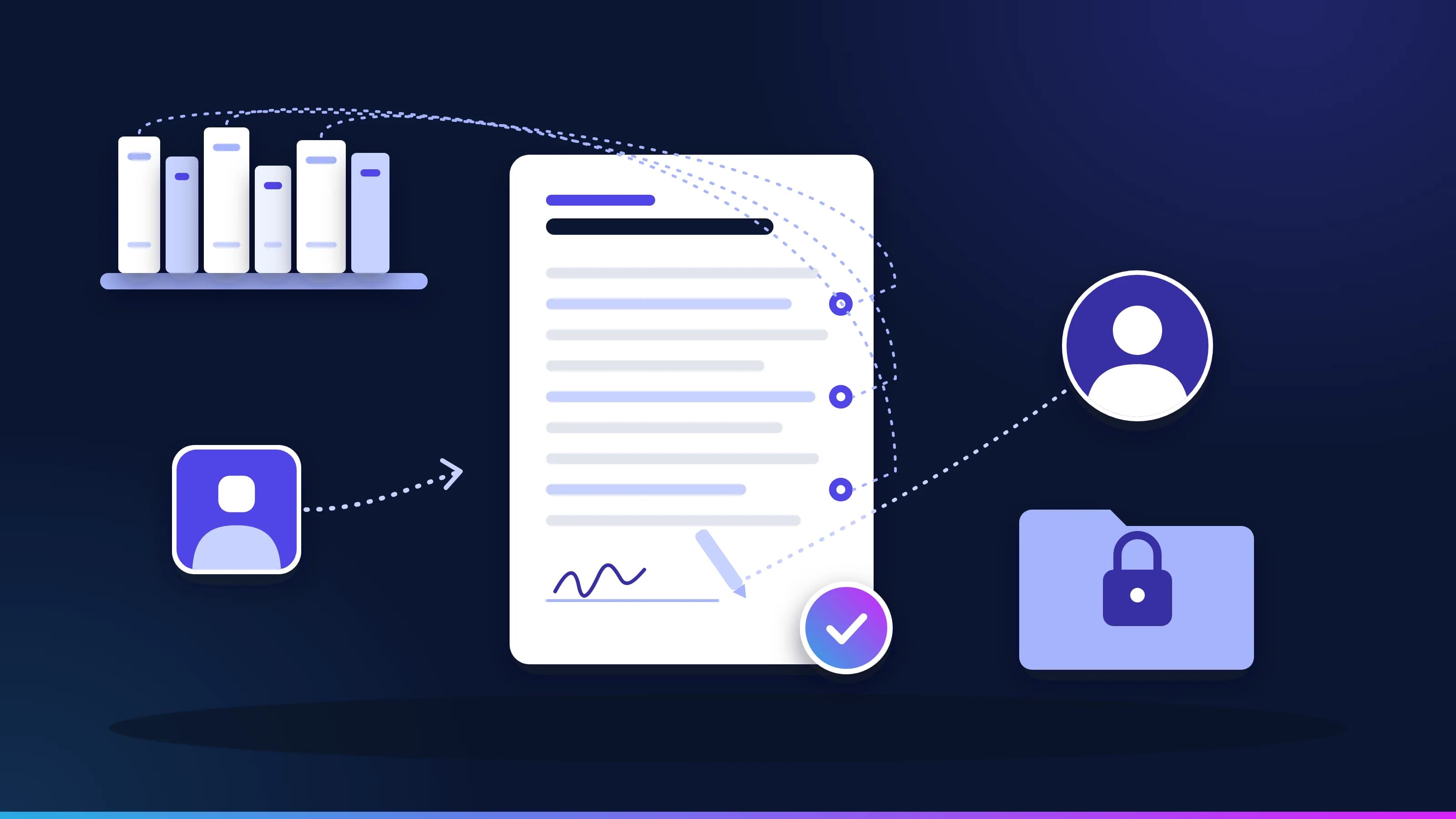 Guide · GovernanceABA Formal Opinion 512: an AI checklist for law firmsABA Formal Opinion 512 applies the duties lawyers already have to generative AI. This guide turns competence, confidentiality, client communication, supervision and fees into questions a firm can answer, and lists what to ask of any AI tool before client work goes near it. · 5 min read
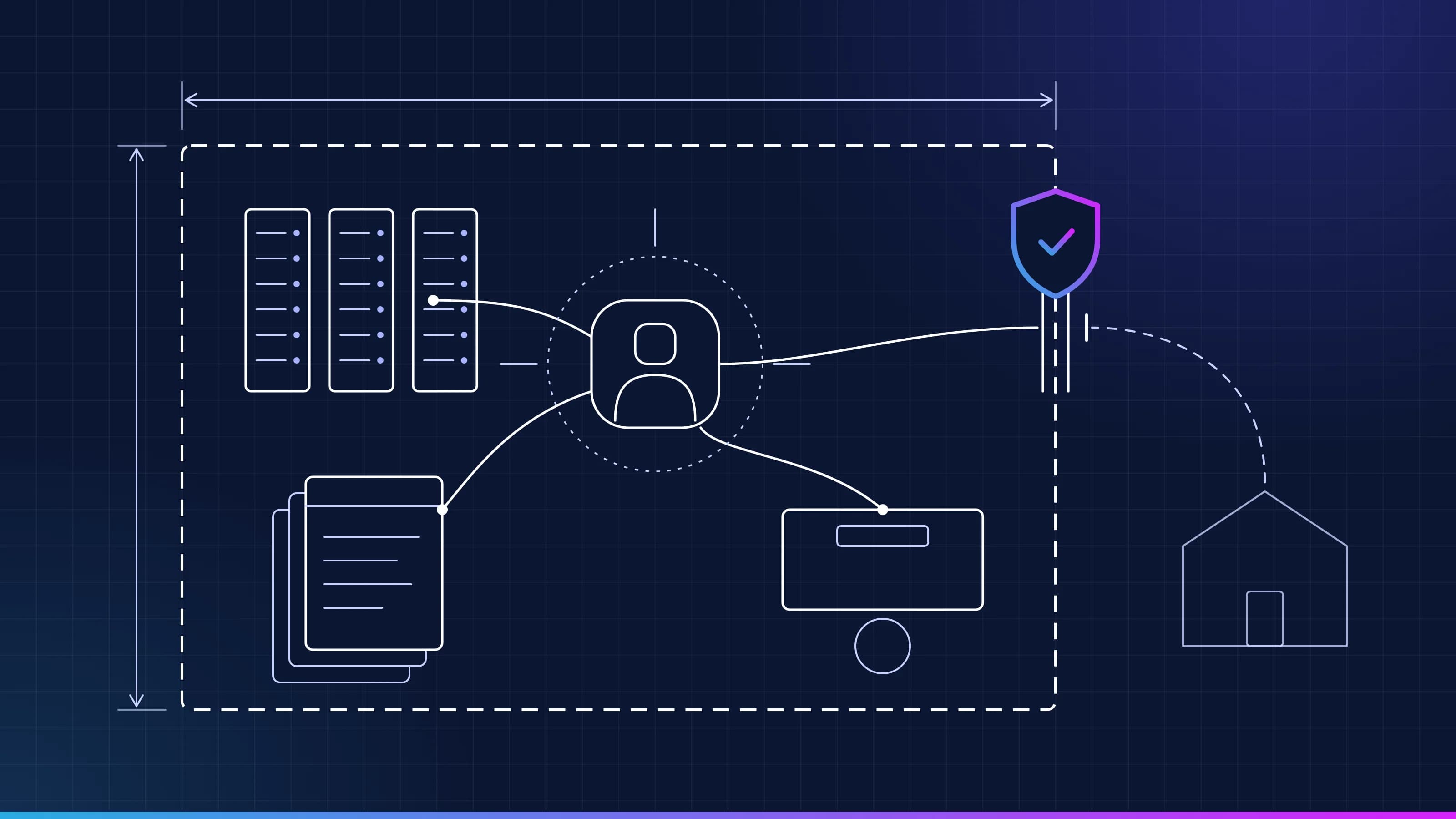 Guide · GovernanceAI agents and CUI: keeping controlled information controlledThe federal rules for controlled unclassified information say who may see it, where it is kept and when it may be shared. An AI agent that reads a drawing or drafts a supplier letter has to follow them too. This guide covers what the rules ask and how to set up an agent that follows them. · 5 min read
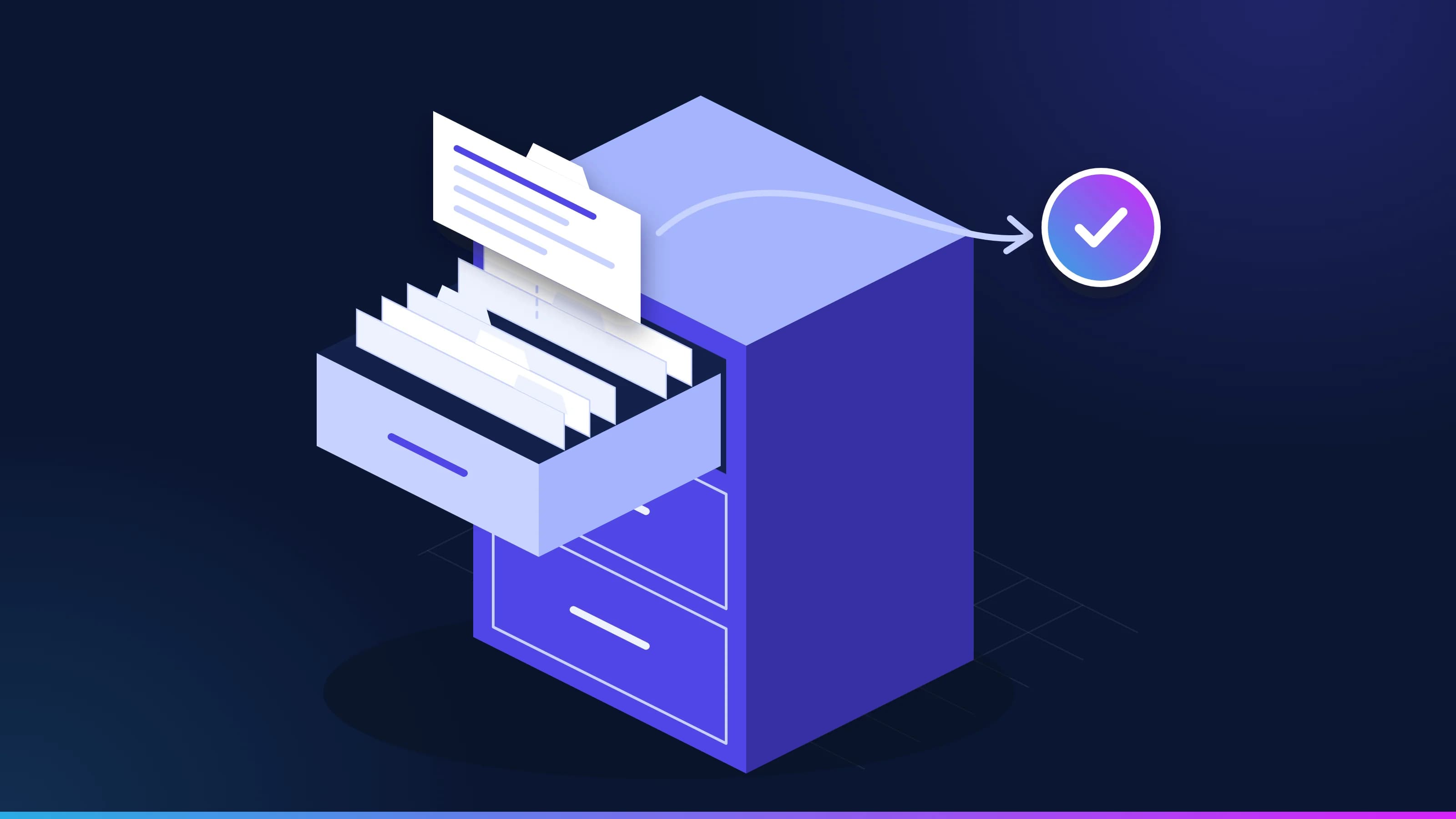 Article · GovernanceAI in a market conduct exam: what insurers get askedA state insurance department can ask about any AI system that makes or supports decisions affecting consumers, in an investigation or a market conduct exam. This post covers what the NAIC model bulletin says examiners may request, and how to have each answer ready before the letter arrives. · 5 min read
 Article · GovernanceAI in Medicare Advantage coverage decisions: what CMS allowsCMS lets a Medicare Advantage plan use AI to help with coverage decisions. Each decision must rest on the member's own record and the plan's published criteria, and a physician or other qualified clinician must review any medical necessity denial before it goes out. Here is what to ask a vendor. · 5 min read
 Guide · Data qualityAI-ready data checklist for regulated teamsTwenty-eight checks to run against the data an AI process will read, before it goes live and at set intervals after. Grouped by stage, from sources and owners to documents, mapping and run-time checks, each with why it matters to an examiner and how to test it. · updated November 18, 2026 · 8 min read
 Article · GovernanceBusiness rules or AI guardrails? Why regulated work needs bothGuardrails filter what an AI model takes in and says. Business rules check what the work itself must satisfy. In regulated work you need both, plus a model's judgment for the messy parts. What each one catches, a worked example, and what to ask a vendor. · updated November 18, 2026 · 12 min read
 Article · GovernanceCan you turn your AI agents off? What examiners now askUS bank regulators have started asking how banks would shut their AI agents down, while the new model risk guidance leaves agents out of scope. Here's what examiners are asking, which deadlines arrive in Colorado and the EU, and what a working kill switch looks like. · updated November 18, 2026 · 11 min read
 Guide · Context engineeringContext engineering for enterprise AI agentsContext engineering decides what an AI agent sees at each step of a task. The research on why long contexts fail, the techniques that keep context small, how agent memory fits in, and the controls that stop context from becoming an attack path. · updated November 18, 2026 · 18 min read
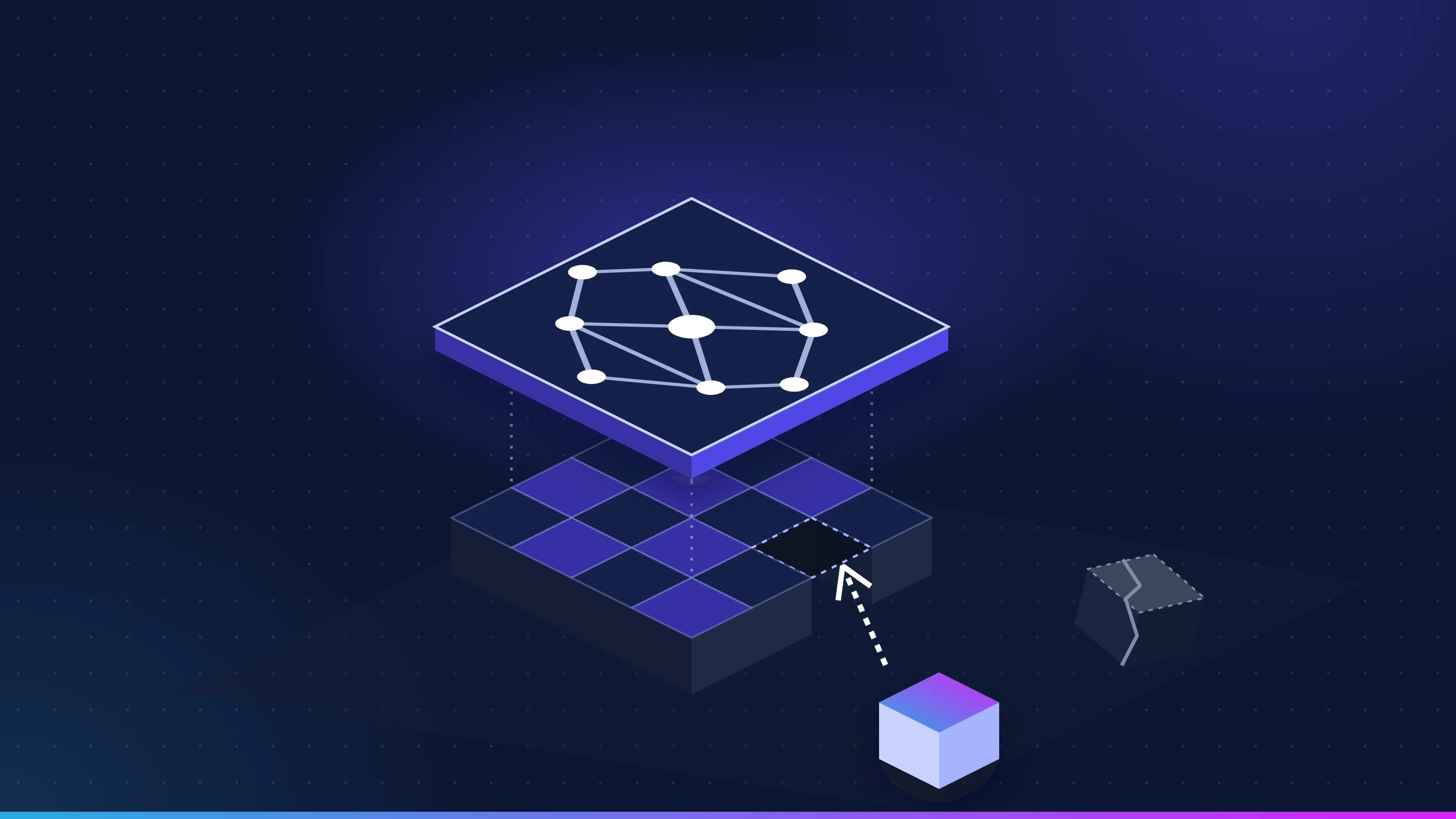 Article · Data qualityData hygiene for AI: your knowledge layer is only as clean as your dataAn AI agent acts on whatever record it is handed, so a duplicate customer or an old policy becomes a wrong action, not just a wrong number. What dirty data looks like to an agent, what regulators have already seen, and why a knowledge layer makes the problems visible and fixable. · updated November 18, 2026 · 8 min read
 Guide · Data qualityData quality checks for AI agents in automated processesThe checks a record must pass before an AI agent may act on it, and the monitoring that catches what slips through. Shapes, business rules, freshness limits, confidence and quarantine, drift, and how a bad record is traced and fixed at the source, with the audit record each step leaves. · updated November 18, 2026 · 13 min read
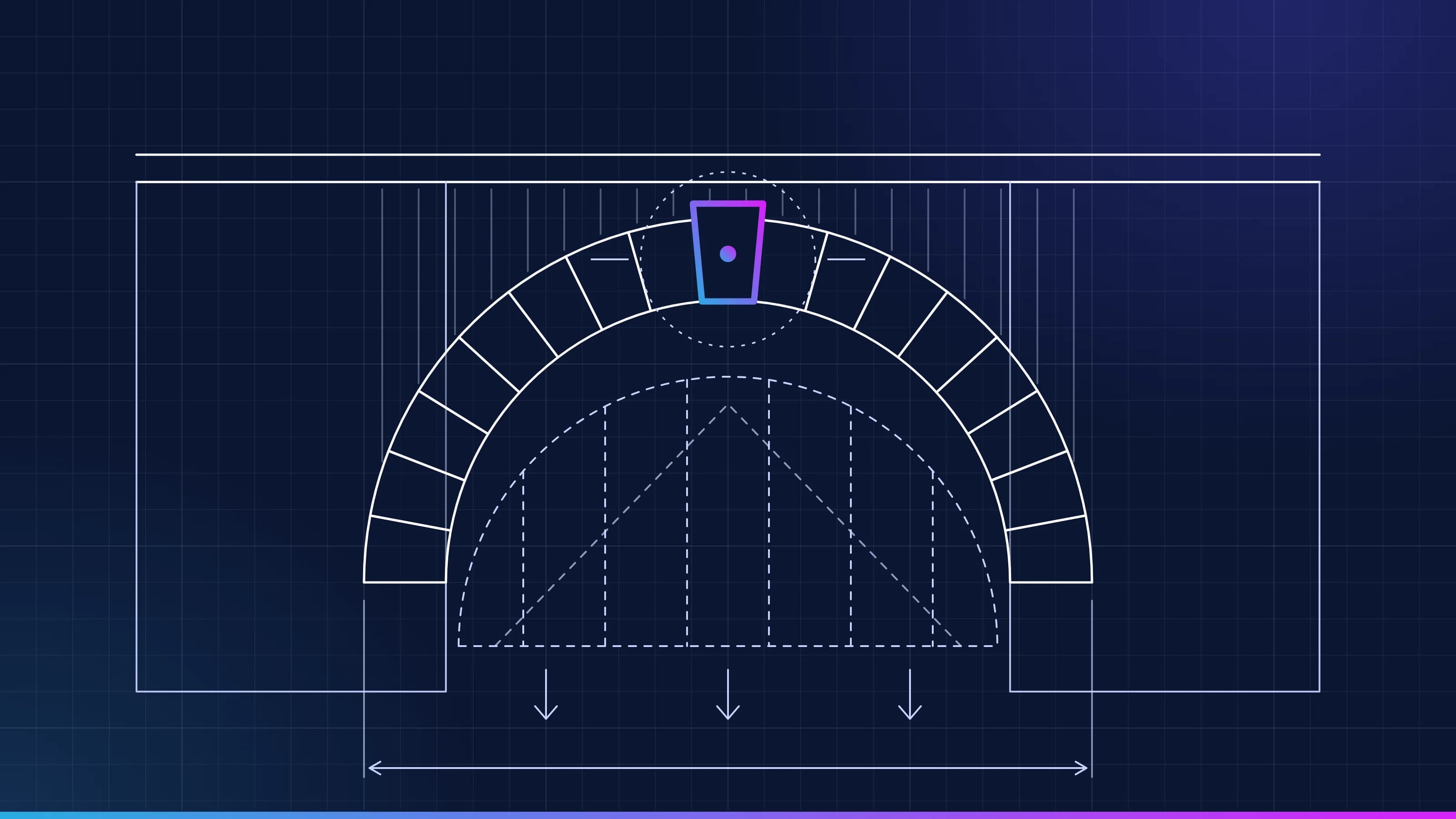 Article · OwnershipForward-deployed engineers: what you should ownMore AI vendors now send forward-deployed engineers to build inside your company, and Gartner predicts most of those systems will be abandoned. Here's what leaves with the engineers, what to write into the contract, and what you should own on the day they go. · updated November 20, 2026 · 9 min read
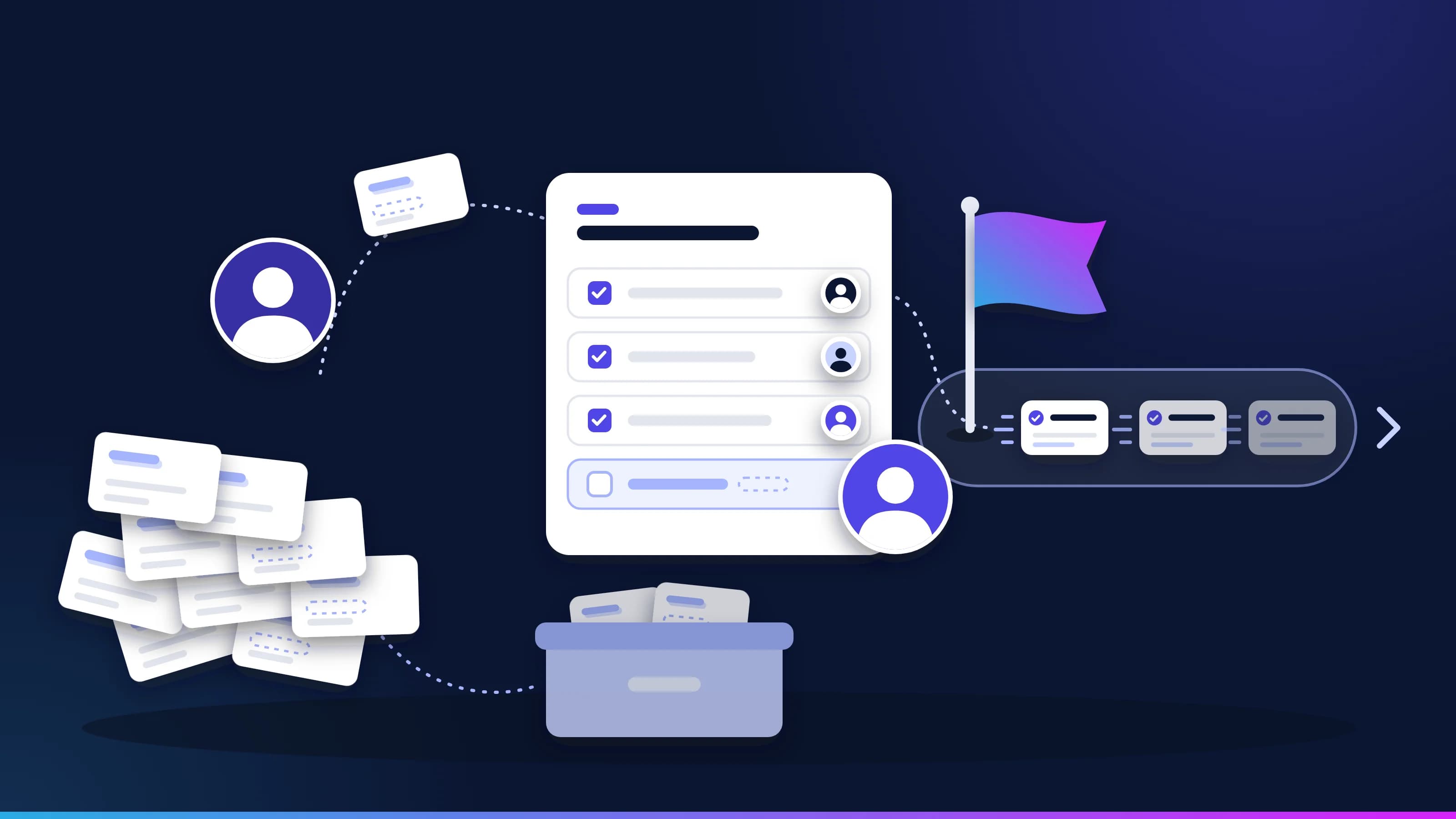 Article · Data qualityGet ahead of data cleanup before AI: a 90-day planData cleanup before AI goes wrong when it tries to fix everything. A 90-day plan that fixes only what the first AI queue reads, at the system it comes from, with a named owner for each source, plus the quick wins and what to leave alone. · updated November 18, 2026 · 7 min read
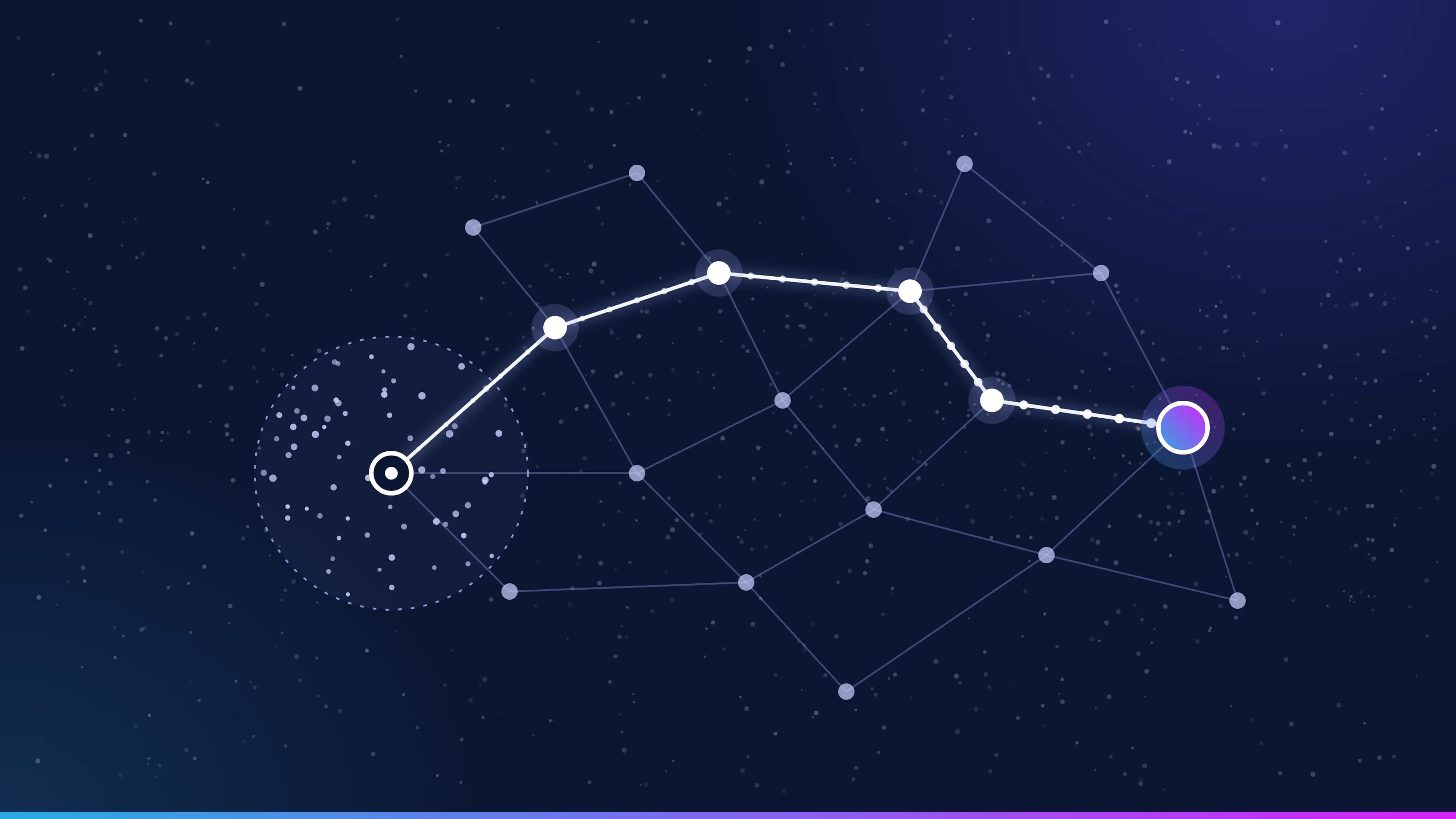 Guide · Knowledge graphHow AI agents use your knowledge graphAn AI agent uses your knowledge graph in five steps. Approved terms become concepts, the ontology types the graph, retrieval finds connected records and their evidence, your rules check the result, and failures go to a person. How each step works, and what the GraphRAG research shows. · 17 min read
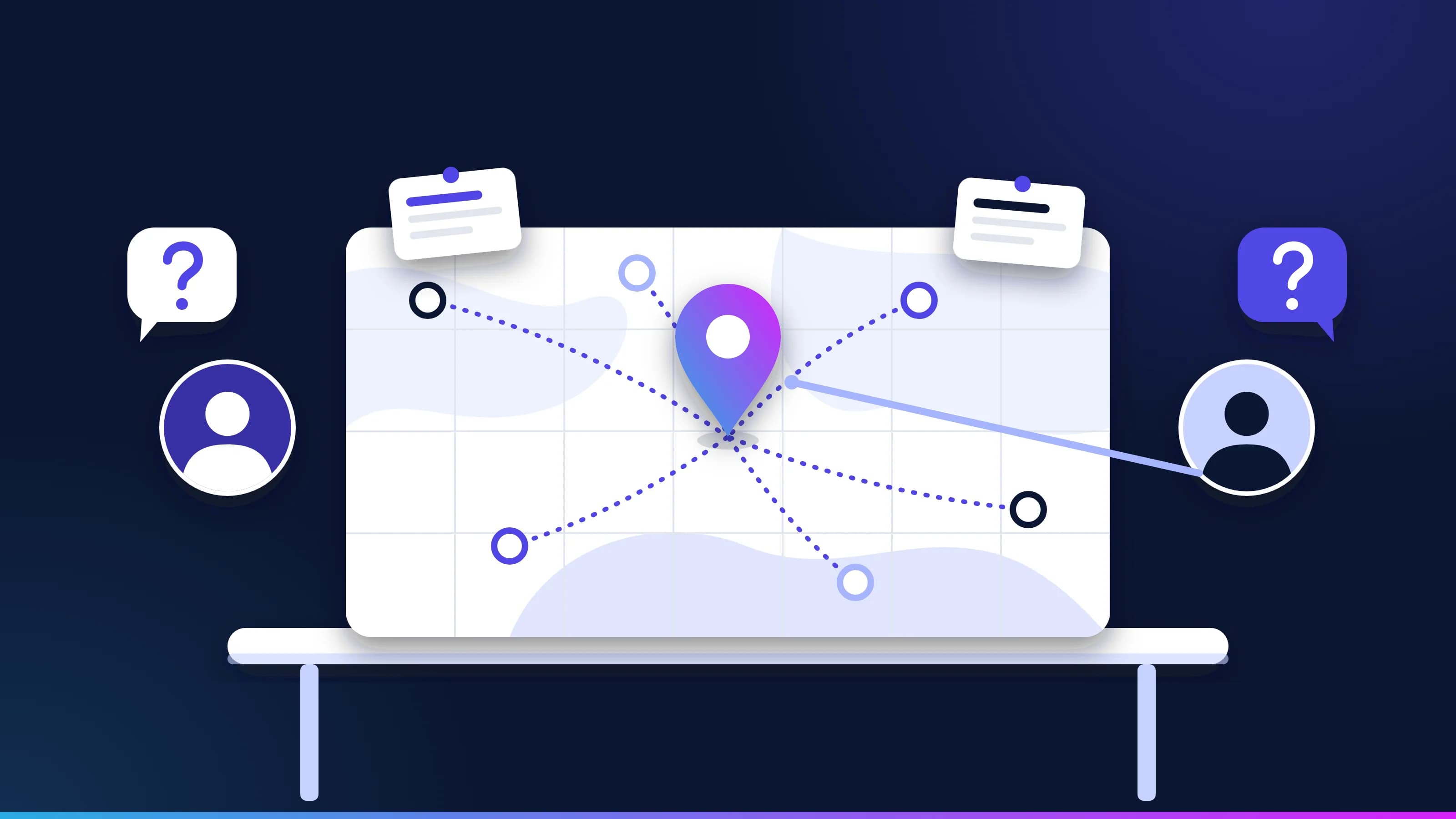 Guide · KnowledgeKnowledge layer: questions and answersStraight answers to the questions buyers and architects ask about the knowledge layer for AI agents, from ontologies, knowledge graphs and semantic layers to context engineering, GraphRAG, semantic caching, small models and who owns it all. · updated November 18, 2026 · 12 min read
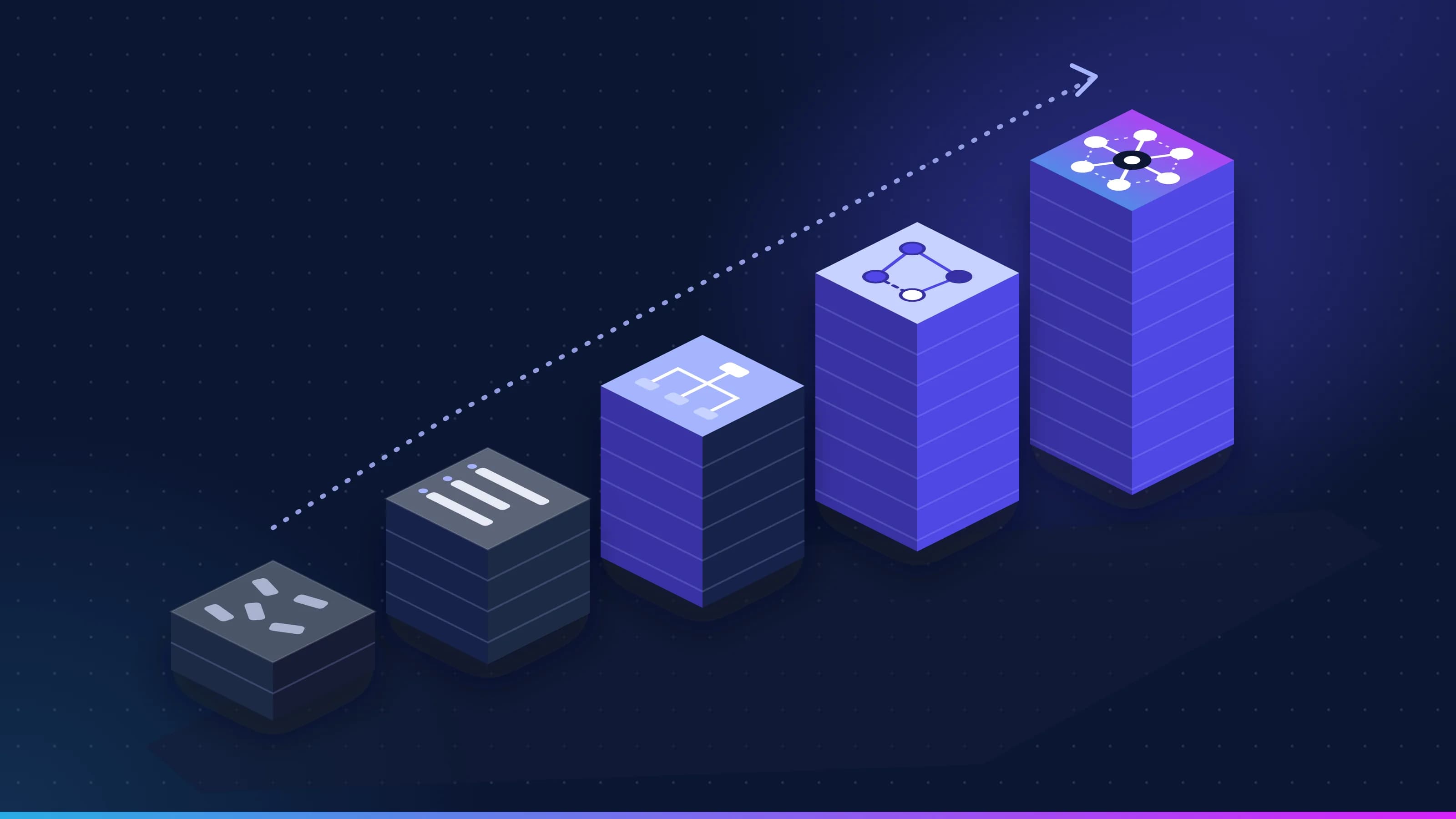 Guide · OntologyOntology for AI agents: how to build one in five stagesHow to build an ontology AI agents can use, in five gated stages from a controlled vocabulary to a knowledge graph. The W3C standards for each stage, competency questions, Turtle and SPARQL for a worked example, entity resolution, versioning and "as of" queries. · updated November 18, 2026 · 21 min read
 Guide · Data qualityPreparing data for a knowledge layer: a step-by-step guideHow to get data ready for a knowledge layer and the AI agents that read it, in the order that works. Scope by the first queue, profile against named quality dimensions, name owners, resolve entities reversibly, clean documents, record lineage, map to the ontology and put a contract on every source. · updated November 18, 2026 · 17 min read
 Guide · Semantic layerSemantic layer for AI agents: governed metrics for accurate answersA semantic layer defines each business metric once, with its joins and its owner, so an AI agent asks for "credit note rate" instead of writing its own SQL. What the 2023 to 2026 benchmarks show, a worked metric definition, the open Ossie standard and where MCP fits. · updated November 20, 2026 · 14 min read
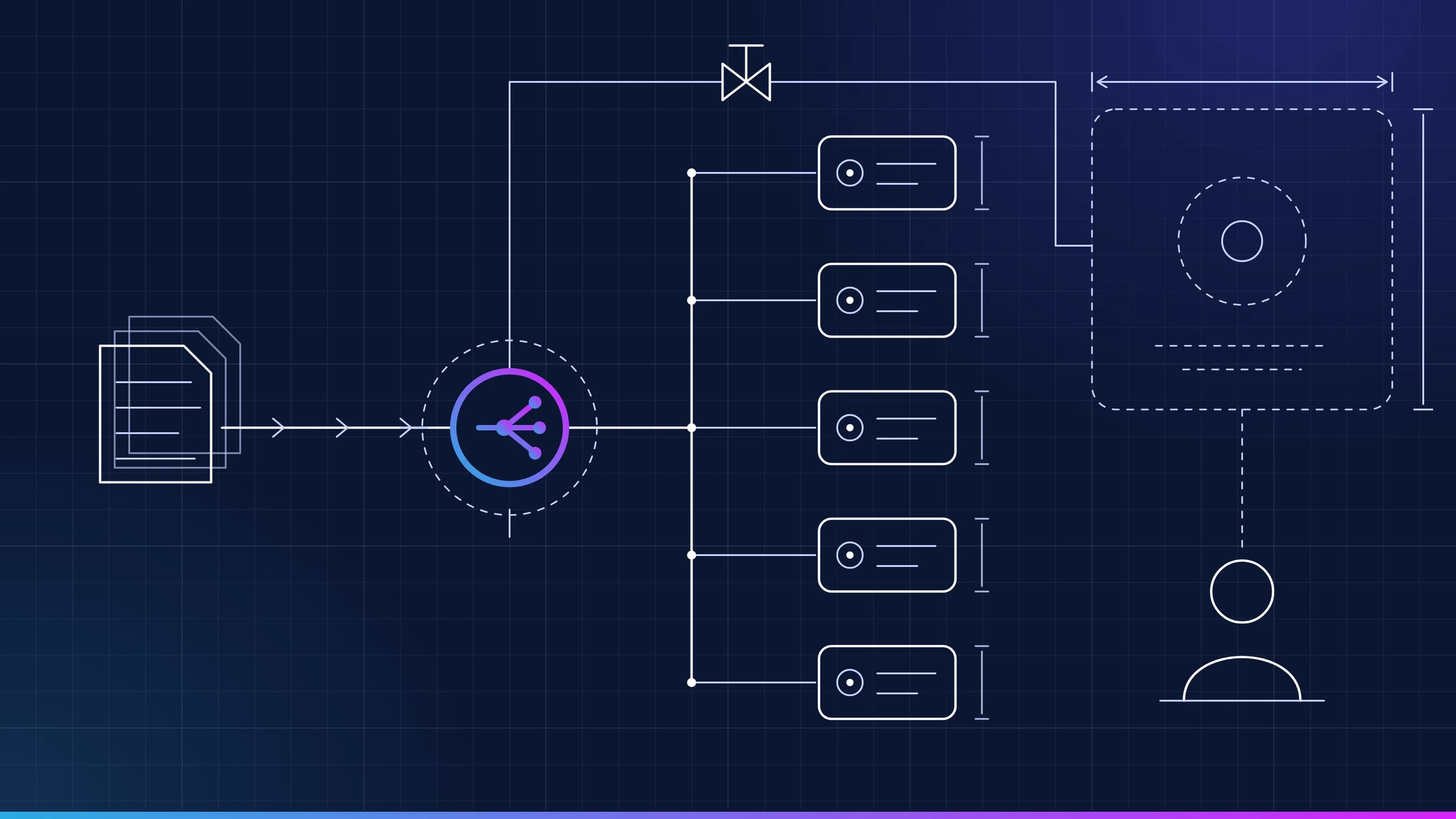 Guide · Small language modelsSLMs for enterprise AI agents: routing, fine-tuning and limitsHow to move an enterprise agent's routine model calls to small language models without losing accuracy: the published conversion method, routing and escalation, LoRA fine-tuning, the gates a model passes before it serves, hardware sizing with worked numbers, and where small models still fail. · updated November 18, 2026 · 18 min read
 Article · Small language modelsSmall language models: why smaller AI does most business workMost steps an AI agent takes at work are narrow, like reading a field or sorting a document. A small language model can do them on your own server. Here's what the research says about how much work fits one, and where small models still fall short. · updated November 18, 2026 · 10 min read
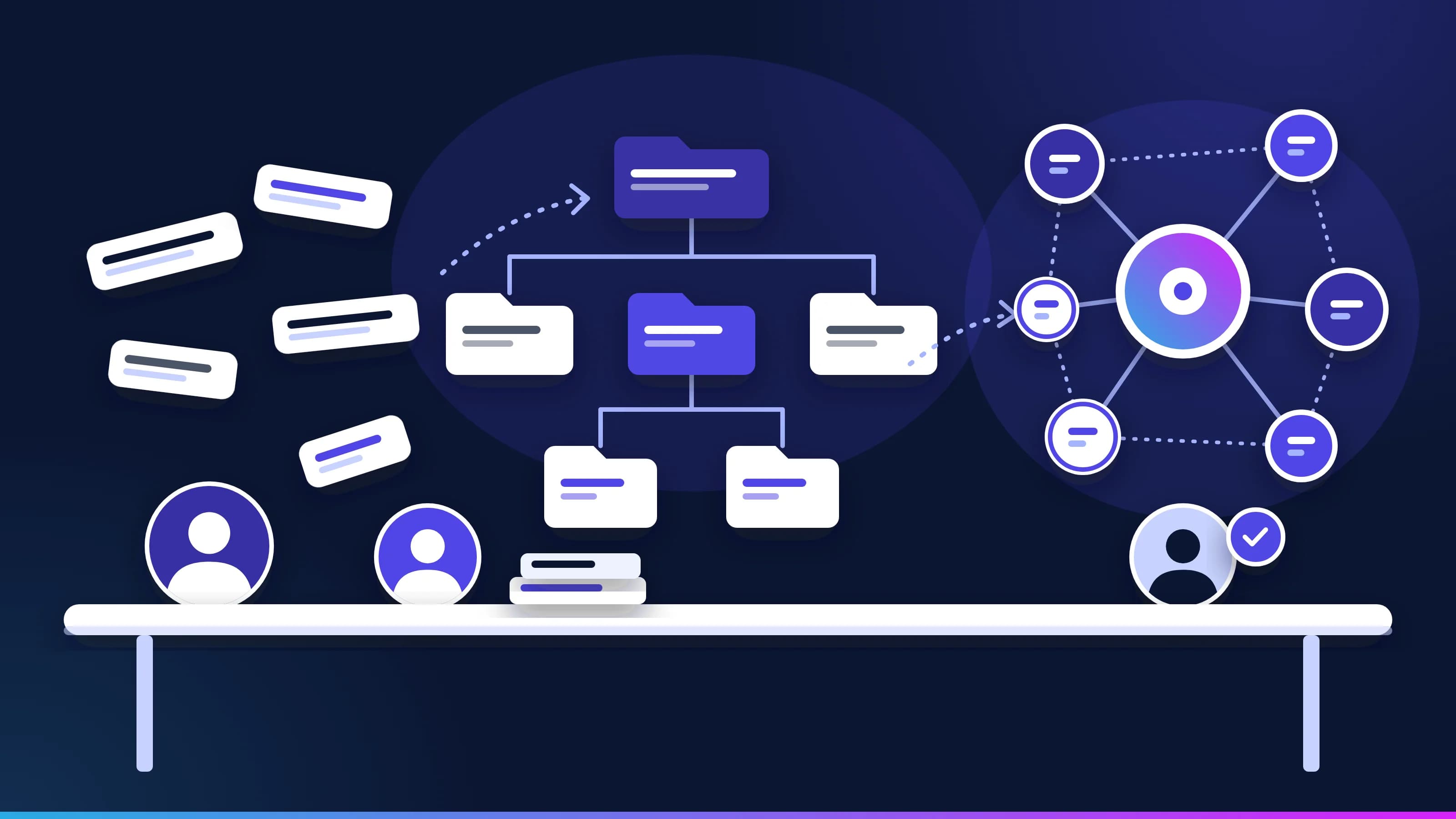 Article · OntologyTaxonomy, ontology, knowledge graph: what each one does for AIA taxonomy sorts your words, an ontology writes down the rules between the things they name, and a knowledge graph connects your real records under those rules. What each stage fixes for an AI agent, who approves it, and where to start. · 13 min read
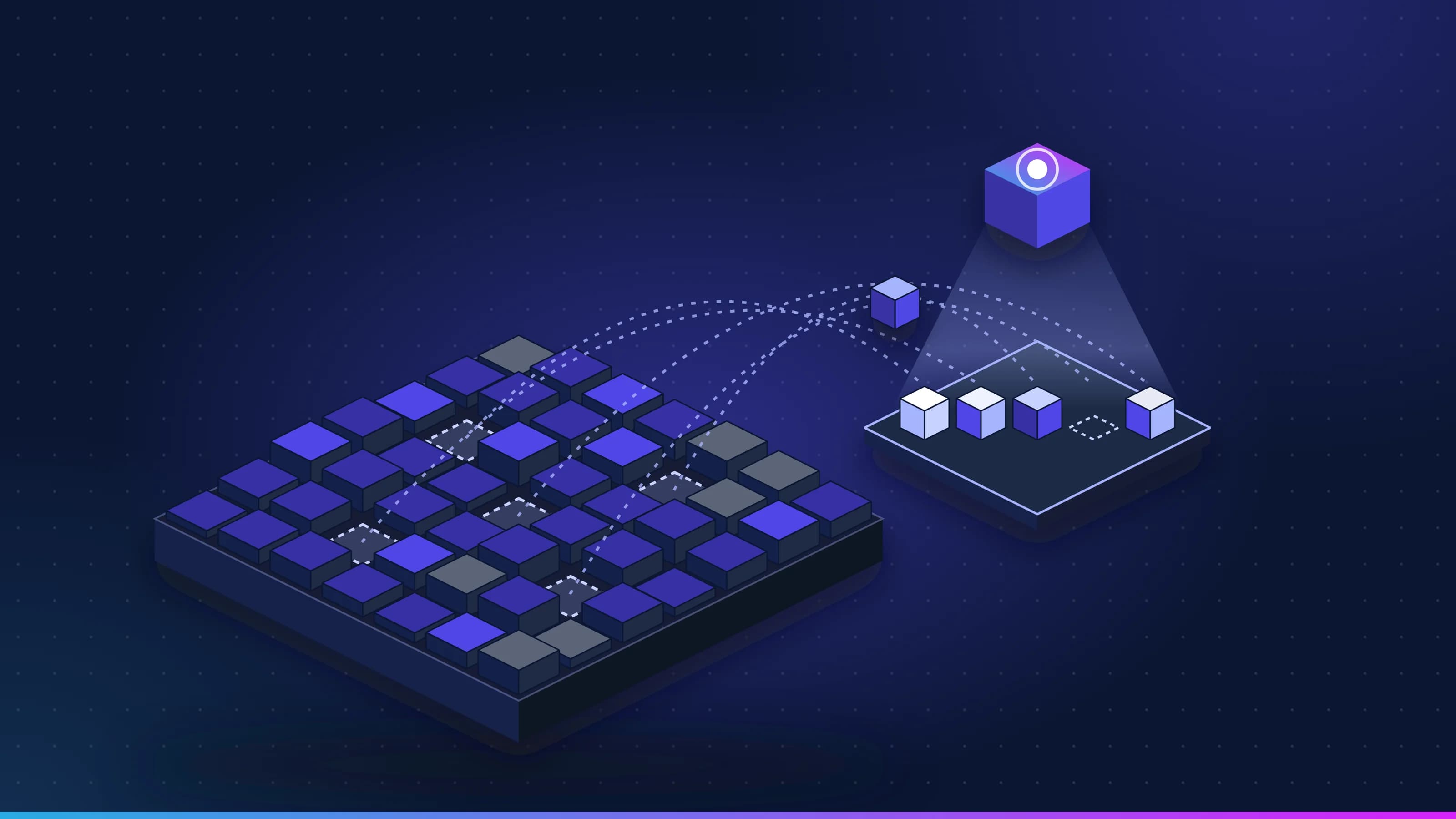 Article · Context engineeringWhat is a context layer, and why do AI agents need one?A context layer tells an AI agent what your words mean, which rules apply, which records it may open and what was decided before. Gartner now calls it a core part of data infrastructure, and Forrester the next step after semantic layers and knowledge graphs. Here is what goes in one, in plain words. · updated November 18, 2026 · 11 min read
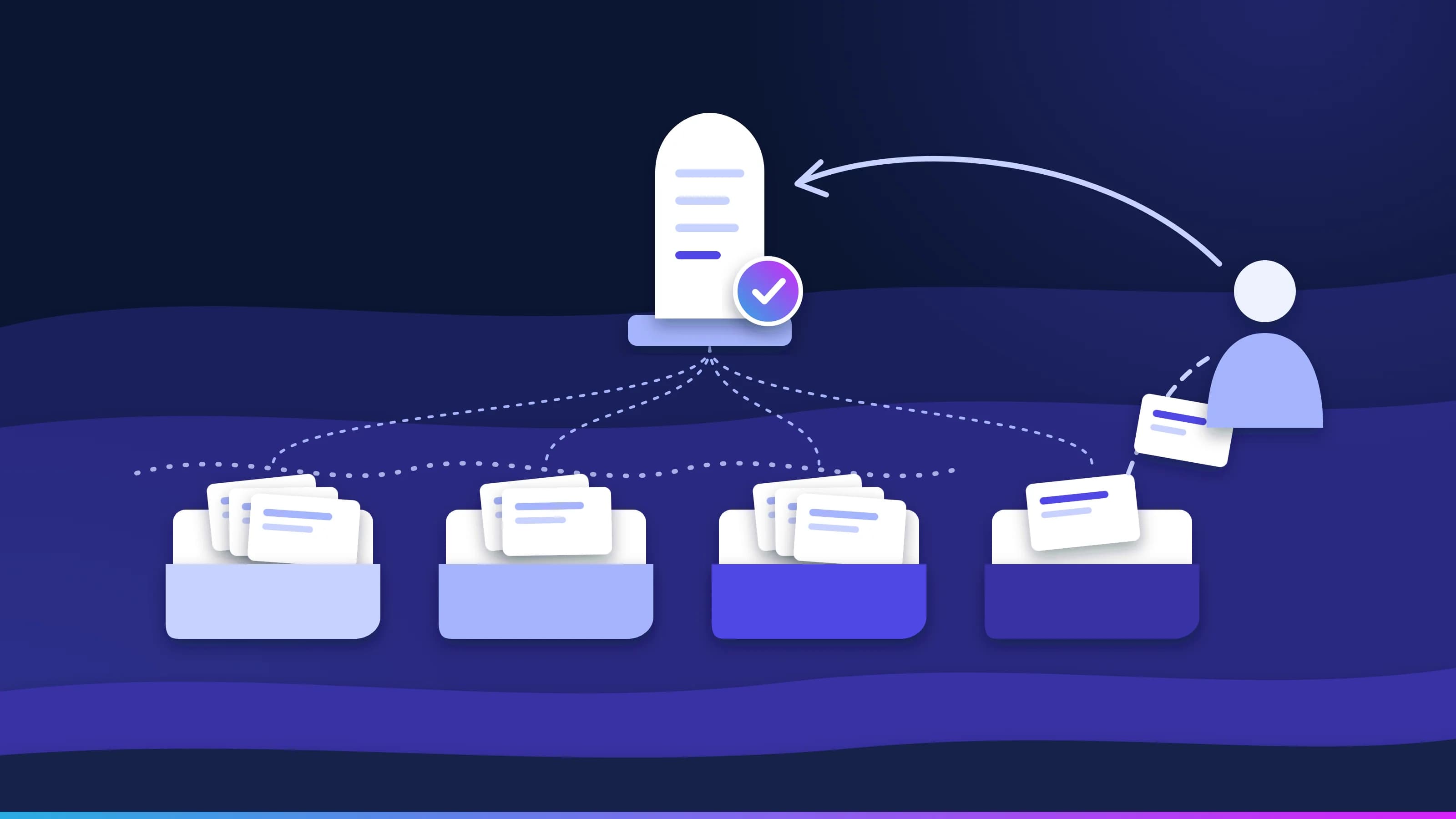 Article · Learning loopA mistake your team fixes once stays fixedGood AI exception handling doesn't stop at the flag. Every task moves through four queues, every failure reaches a named person with the reason attached, and that person's fix becomes an approved rule, so the same exception doesn't come back next week. · updated November 18, 2026 · 8 min read
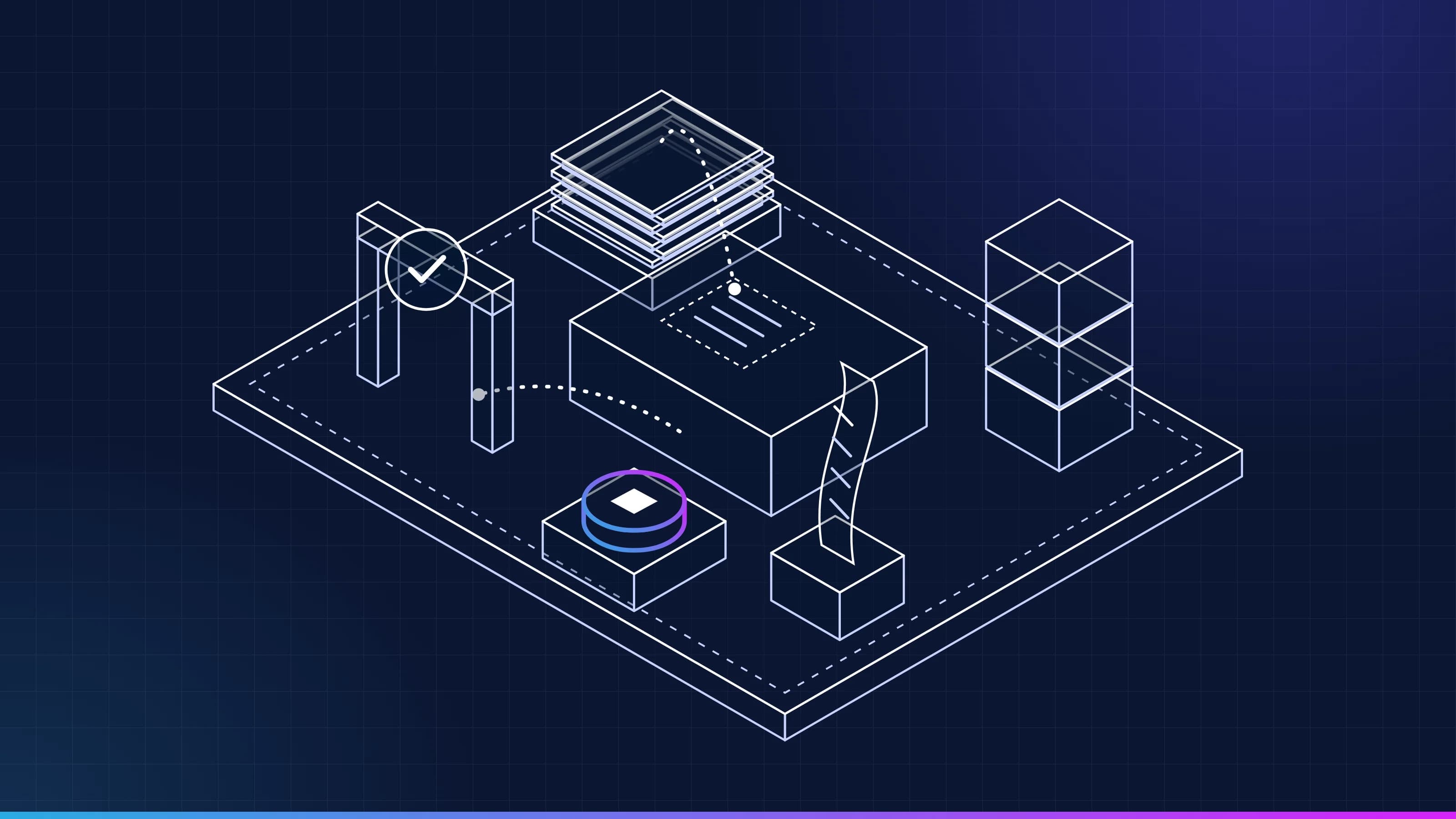 Article · ApproachA worker, not a conversationWhat is a Virtual Employee? It has a queue, a memory, a receipt for every task, the approvals and spot checks a rule sets, and a stop button. Here is what each one means, and what a Virtual Employee is not. · updated November 18, 2026 · 7 min read
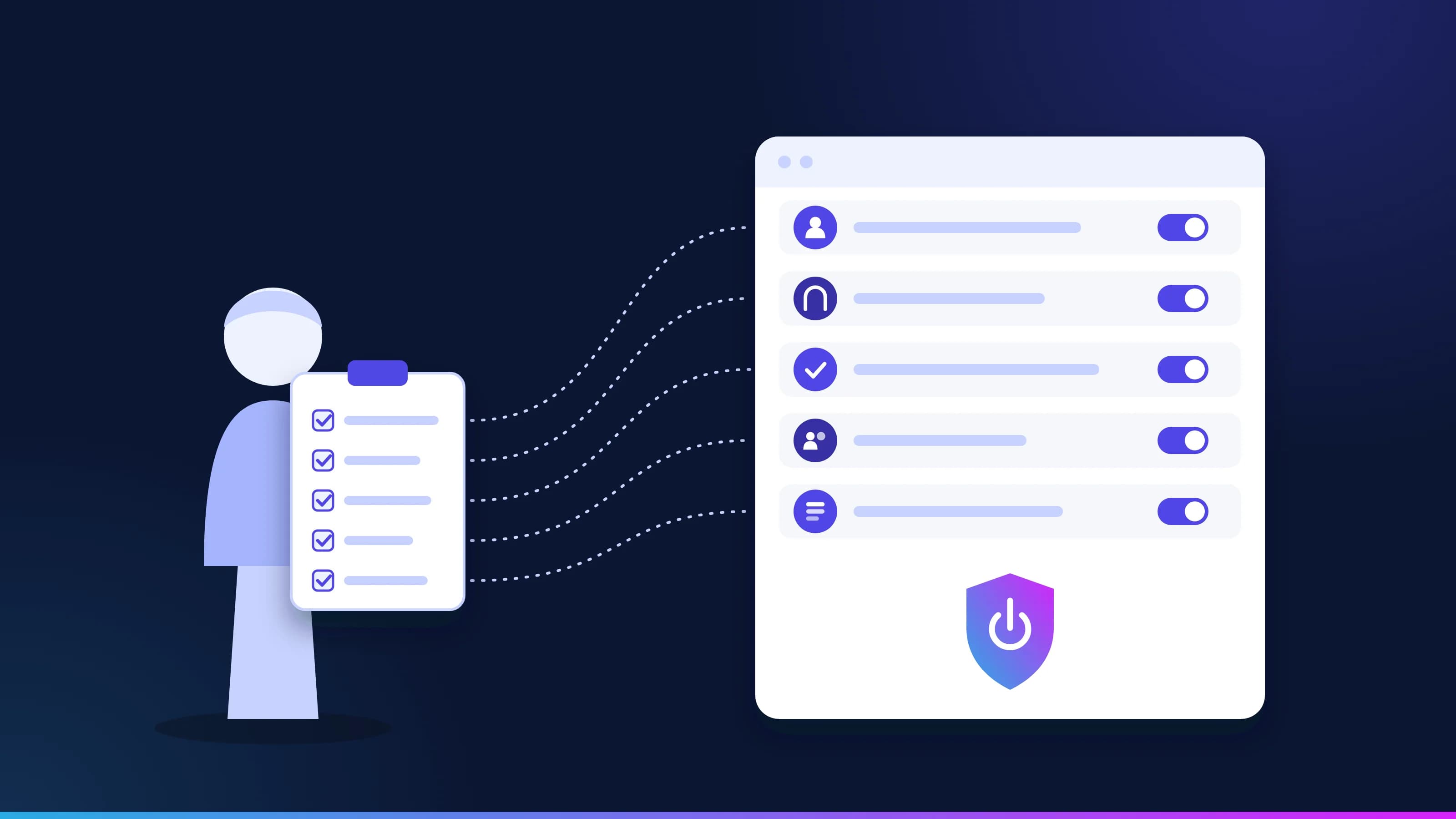 Guide · GovernanceCSBS AI Supervisory Framework: a checklist for banksState examiners now have a framework for reviewing AI, with its own section on AI that takes actions on its own. The questions they are directed to ask, turned into a checklist, and the control in Inovagio that answers each one. · updated November 18, 2026 · 9 min read
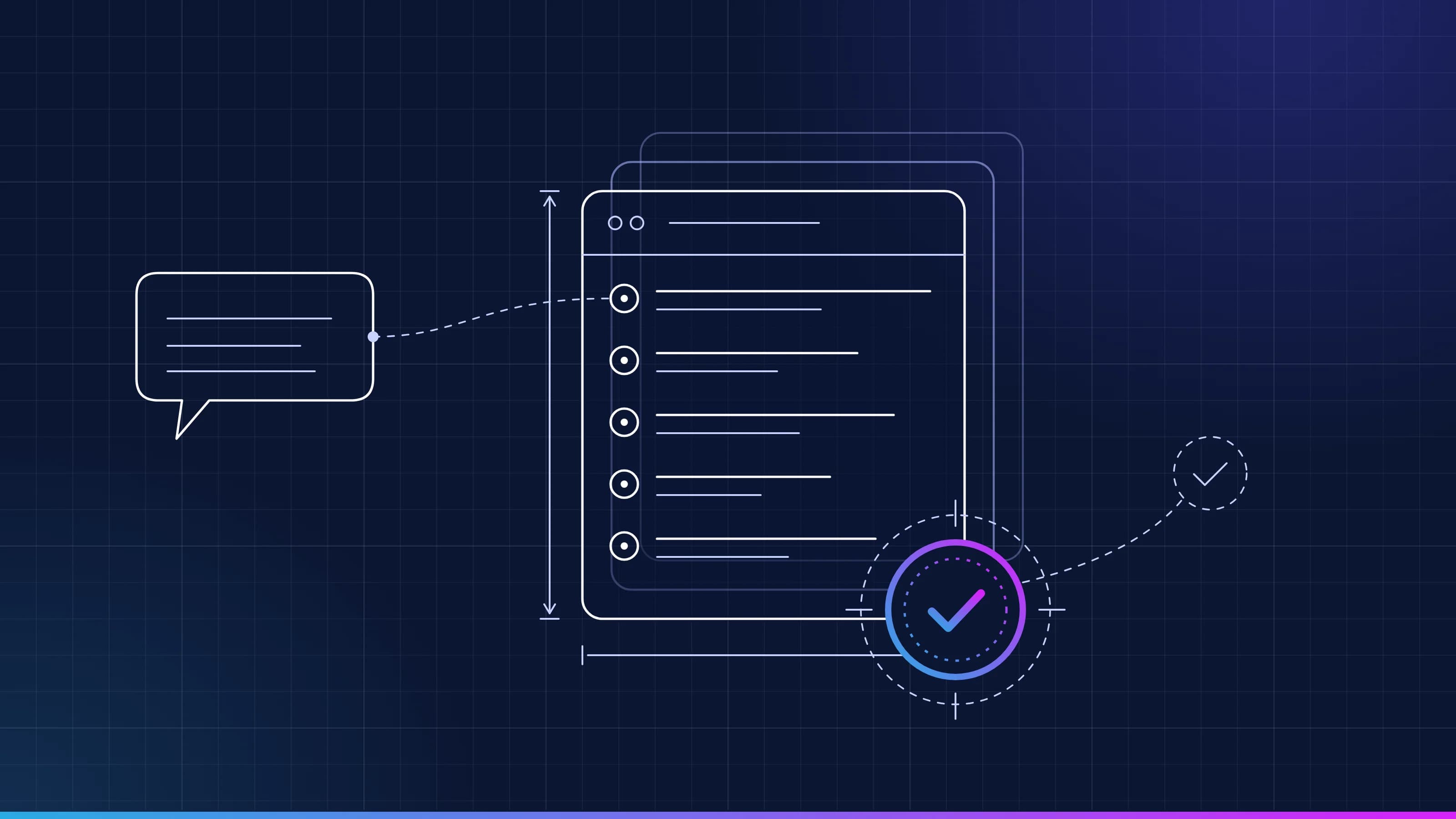 Guide · GovernanceHow an AI business rule is written and approvedEvery Virtual Employee works from rules approved one at a time by the people you make responsible. What a rule contains, who signs it, how a correction becomes a new version, and how any change is rolled back. · updated November 18, 2026 · 9 min read
 Guide · QualityHow to measure AI cost per correct taskA per-task price shows what the AI charged. To know what the work cost, you need the formula, the baseline to take first, and a worksheet your finance team can fill in with its own numbers. · updated November 18, 2026 · 8 min read
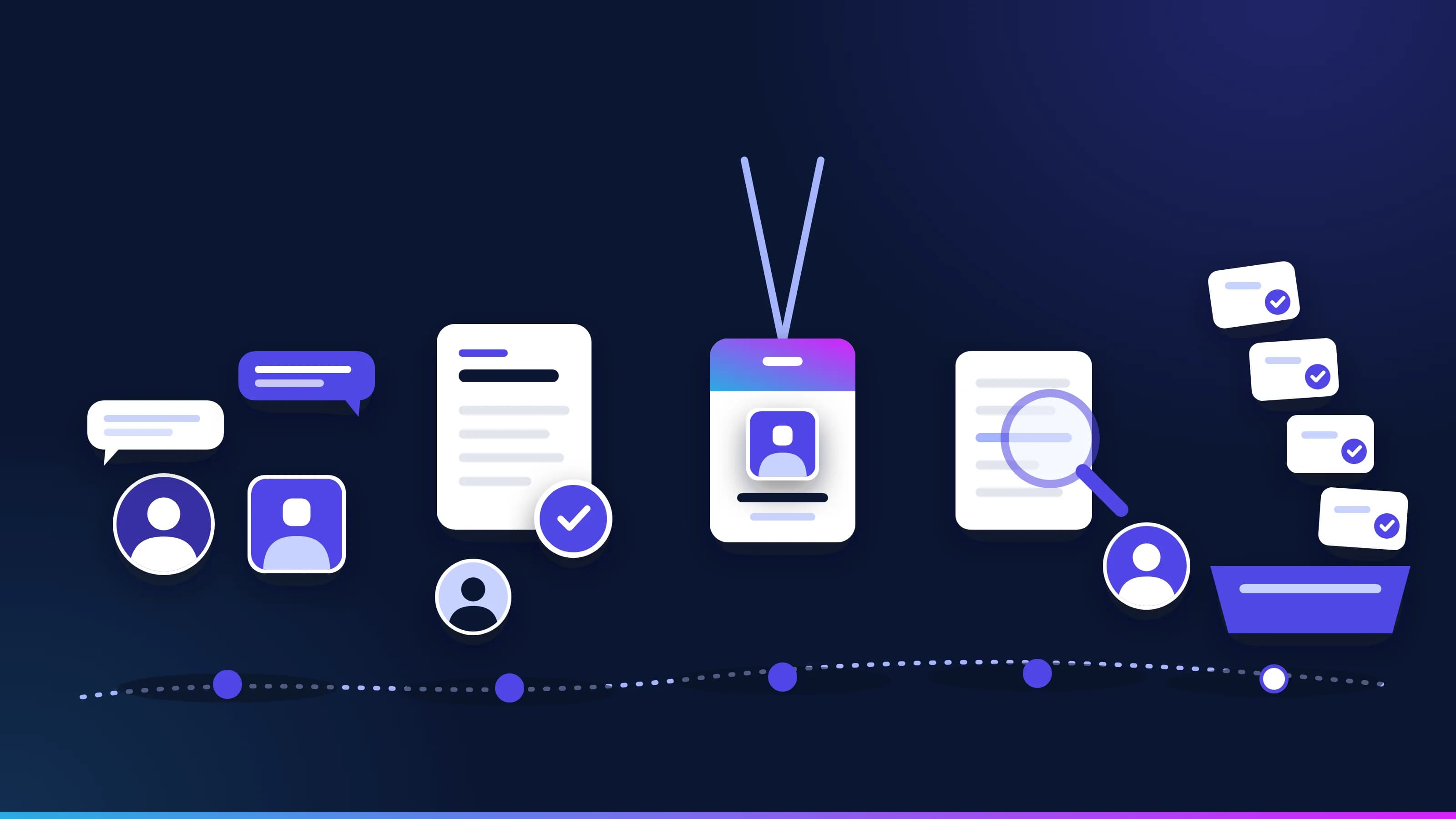 Article · OnboardingHow to onboard an AI employee, the way you hire a personA department hires a Virtual Employee using the same steps it uses for a person (interview, approval, account, a test and shadow mode, then the work). This is how to onboard AI employees so they earn the routine queue on evidence. · updated November 18, 2026 · 8 min read
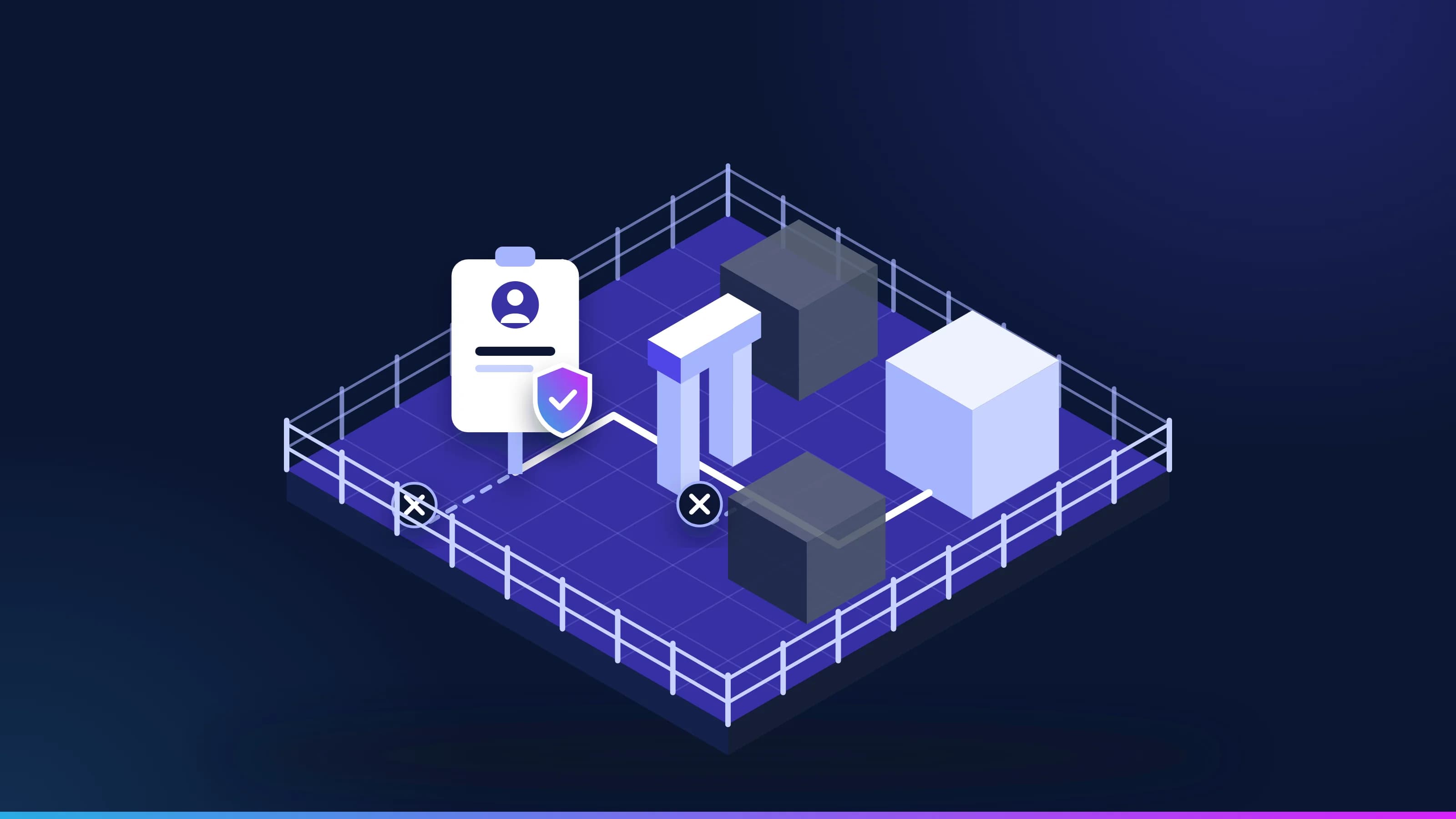 Article · GovernanceIs it safe to give AI a login?Work that crosses systems needs a login, and a login is what a security team guards hardest. These are the five controls that make a Virtual Employee safe to credential, how the kill switch works, and the one number a security team should watch. · updated November 18, 2026 · 8 min read
 Article · ModelsThe model is a replaceable partThe best AI model this quarter won't be the best next quarter. When you can switch AI models without touching your rules, approvals or audit record, every better model shows up on the scoreboard in your cost per correct task. · updated November 20, 2026 · 7 min read
 Guide · ApproachVirtual Employees: questions and answersStraight answers to what buyers ask about Virtual Employees, including what they are, how they learn your rules, what they never do, who owns what, where they run, how cost is measured, and how they differ from AI assistants. · updated November 18, 2026 · 12 min read
 Article · ApproachWhy AI at work stallsMost AI at work stalls because it doesn't know your team's rules and waits to be asked. Here is why AI projects fail in operations, and what changes when the routine queue goes to a worker that knows them. · updated November 18, 2026 · 8 min read
 Article · KnowledgeWhy the knowledge build stallsWriting down how a team really works is where most AI implementation time goes, and almost none of it is spent writing. Four stalls account for most of the delay, and the method is built around each one. · updated November 18, 2026 · 7 min read
 Guide · ApproachYour first AI use case: pick one queueThe best first AI use case is a queue, not an idea from the offsite. How to spot one, the triggers that make it urgent, the cases that are not a fit, and the charter to sign before any work starts. · updated November 18, 2026 · 7 min read
 Article · ApproachAI only improves when it finds out fast whether it was rightA chess program that learned from every game it played, and therapists who did not get better with years of experience. What the two say about AI at work, and why every Inovagio task is checked. · updated November 20, 2026 · 4 min read
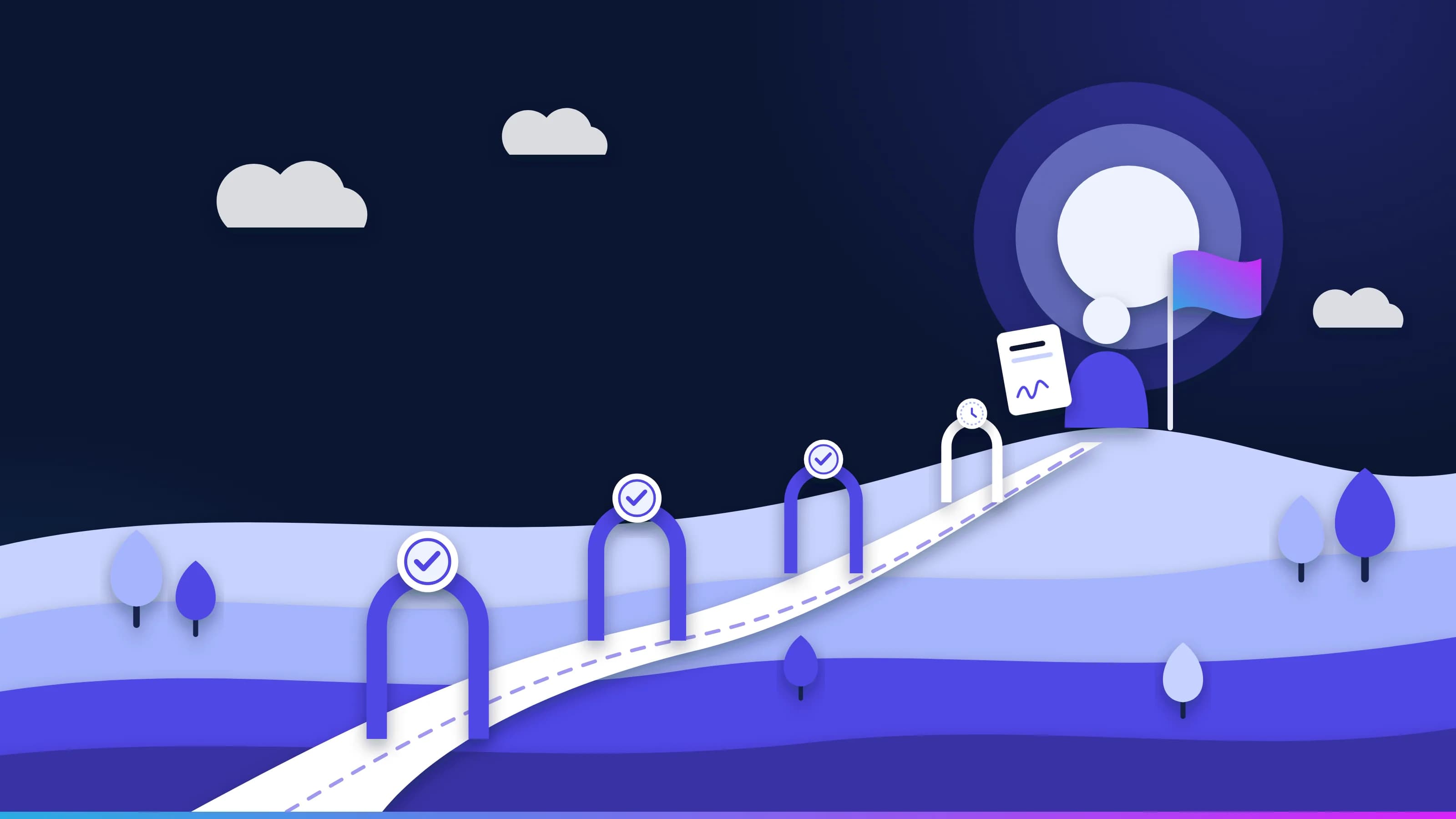 Article · ApproachEnterprise AI doesn't fail on the AITwo things decide whether AI works in a regulated business. One is a platform that can handle the data and do the work. The other is getting every team that has to say yes to say it, on dates. This is how we run the second half. · updated November 20, 2026 · 9 min read
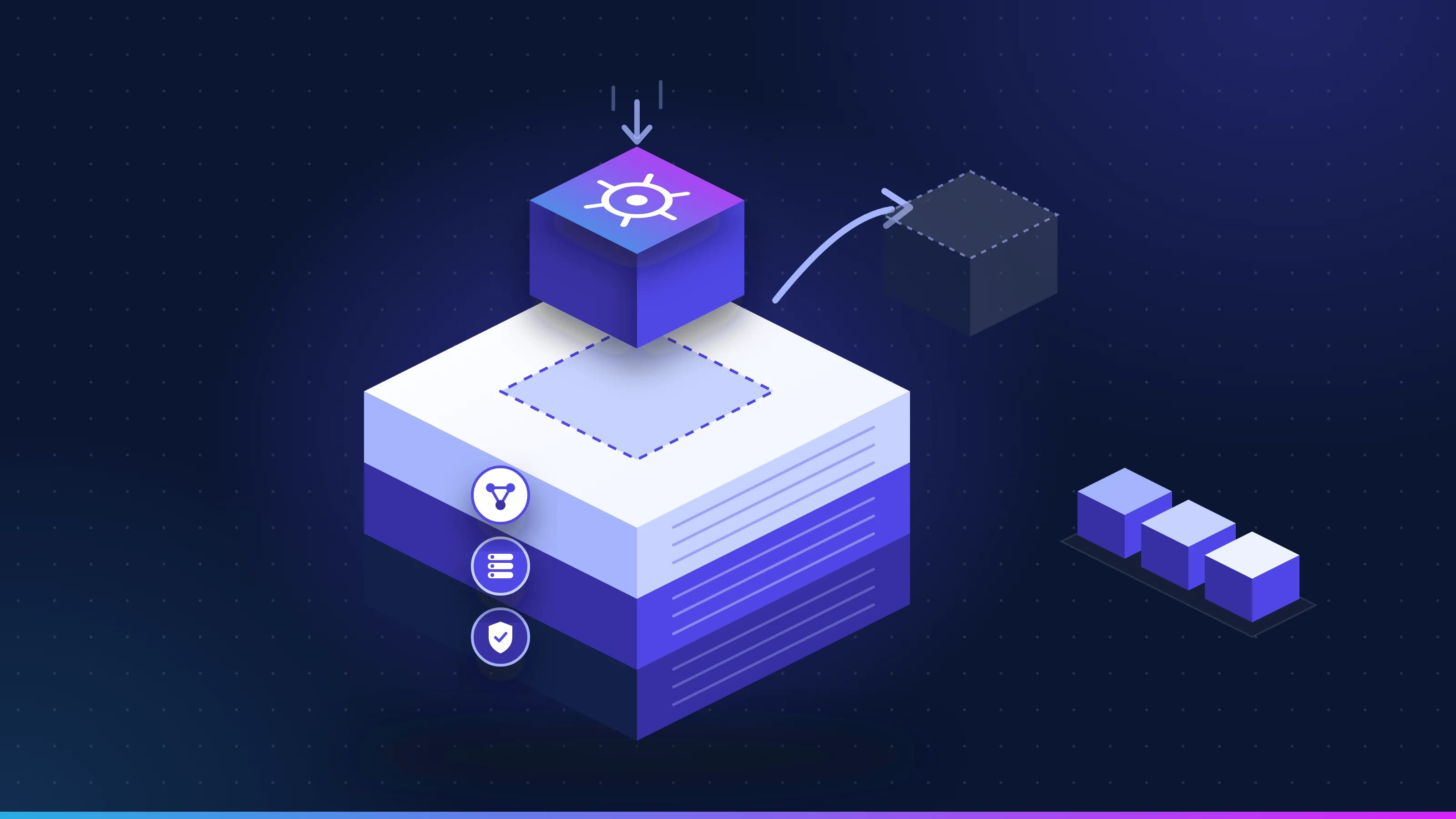 Article · ApproachFaster AI makes owning it more valuableIf AI models keep improving this fast, why own any of it? Because a better model still doesn't know your business, and every layer you own gains value with each new model. · updated November 20, 2026 · 3 min read
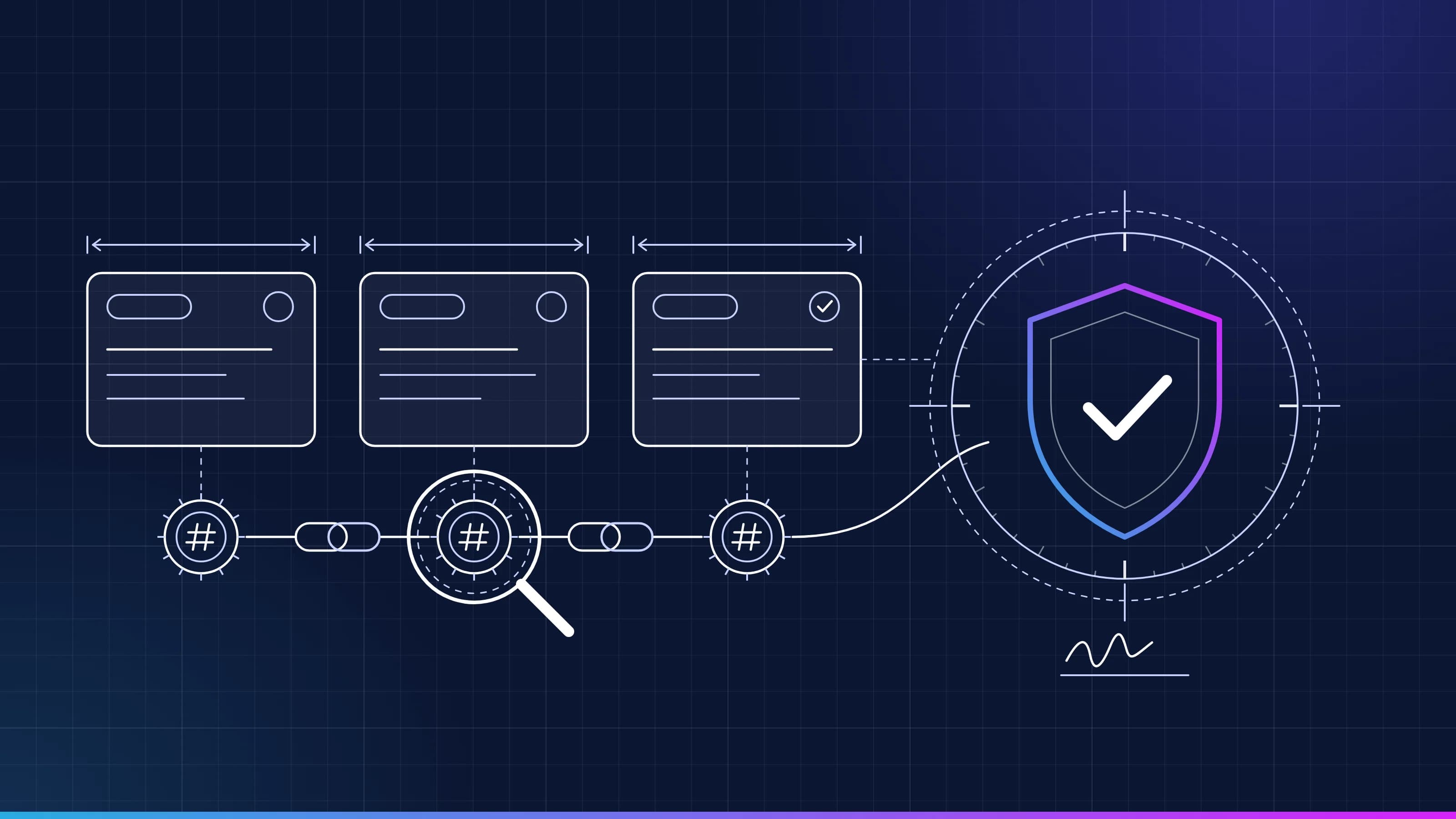 Guide · AI audit trailRead a task recordEvery task Inovagio runs leaves a tamper-evident record. Here is what each line means, how the seals chain together, and how to replay a task end to end. · updated November 18, 2026 · 5 min read
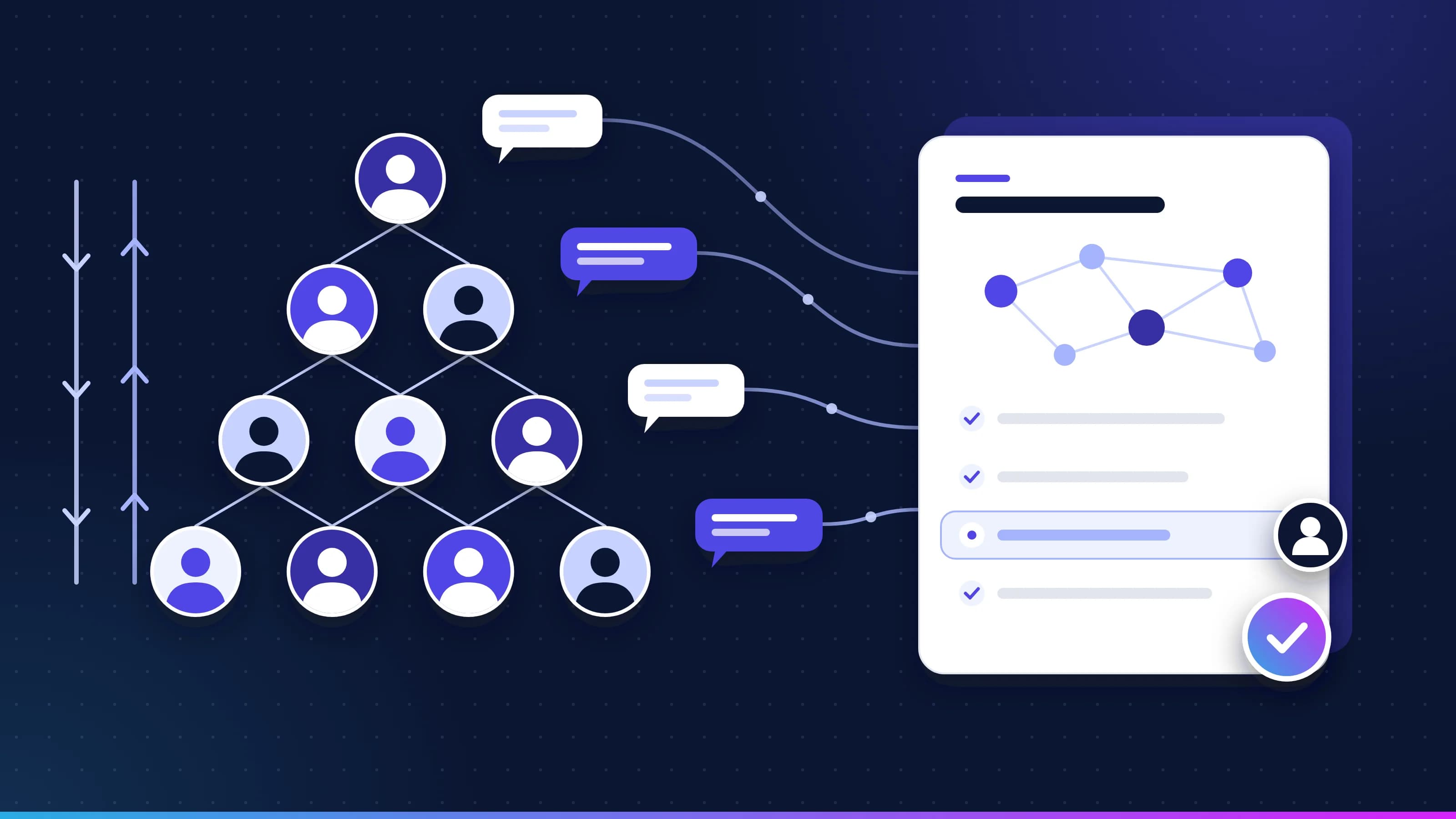 Article · ApproachWhy we start by listeningAI assistants read what was written down. Most of how a regulated business really runs never was. So before any work starts, our agents interview your people. · updated November 18, 2026 · 4 min read
See how the platform would handle your own work.
In a short briefing, the people who build it walk through one of your workflows with you.