

Scoreboard
Every result and every dollar, measured the same way.
The measures every customer sees, how each is counted, and the method behind the work. Your finance and security teams can check all of it.
Task record · invoice INV-2041
Chain verified
- 09:14:02Intake workerRead vendor invoiceintake.read · first entry → #d635
- 09:14:09Match workerMatched purchase order and receiptpolicy.check · #d635 → #d4a2
- 09:14:11Policy engineAbove approval limitapproval.required · #d4a2 → #d30f
- 10:02:47ControllerApproved paymenthuman.approve · #d30f → #d17c
- 10:02:48LedgerTask closed · cost recordedledger.seal · #d17c → #cfe9
The measures
What every customer sees, defined.
| Measure | What it counts | Why it matters |
|---|---|---|
| Time to first correct task | Days from the signed charter to the first task done correctly on live work, every delay included | How long it takes to start, every delay counted |
| Cost to first correct task | Our delivery cost plus your team’s time, estimated from logged approval sessions and labeled as an estimate | The setup cost, honestly counted |
| Delays, by cause | Days lost to audit review, legal, access, competing priorities, absent experts and our own defects | Where the time really goes |
| Cost per correct task | The AI and the services it calls, the platform’s share, and every minute your people spend on the work (reviewing, deciding exceptions, checking the audit sample and fixing what was wrong) at your rates for each role, plus the cost of errors that got through, divided by the tasks done correctly; monthly, against today’s cost counted the same way | The headline number, trending |
| First-pass success | Share of tasks done correctly without a person | How much work it takes on |
| Needs-a-person rate | Share of tasks sent to a person, and the share that became an approved rule within 30 days | The rulebook’s growth |
| Rules approved | Count, and the median days from draft to approval | Whether the interviews work |
| Stop drills | Date and time taken to stop each Virtual Employee and each department | The security team’s number |
| Model family | The open-model family each role runs on | Where the model came from, answered up front |
We publish the method, never your data.
The interview method
How our agents interview your people about the work, and who approves what they write down.
The rule format
What a rule contains, how it is versioned, and how a correction becomes one.
Shadow mode and go-live
How a Virtual Employee moves from working beside your team to the routine queue, one kind of case at a time, and takes on more as its results hold up, through approved rule changes. Each customer sets its own go-live bar.
The security model
Identity, the gateway, checked plans, approvals and your rules, in plain words.
Every task leaves a receipt.
Each task records who did it, the checked plan, the model, the cost, the time, the rules it ran under, what it touched and the outcome. The record is tamper-evident, and the scoreboard is a view of the same data your own screen shows.
Your numbers, unadjusted
Results come from the task records with your own rates, de-identified, and never adjusted by hand. A missing or bad number is flagged.
Published with consent
Results are published only with your written consent, under your industry and size, never your name unless you choose.
Better models, shown
When a role moves to a newer model, cost per correct task and first-pass success are shown before and after, on the same rulebook.
Guides on reading a task record and measuring cost.
 Guide · QualityHow to measure AI cost per correct taskA per-task price shows what the AI charged. To know what the work cost, you need the formula, the baseline to take first, and a worksheet your finance team can fill in with its own numbers. · updated November 18, 2026 · 8 min read
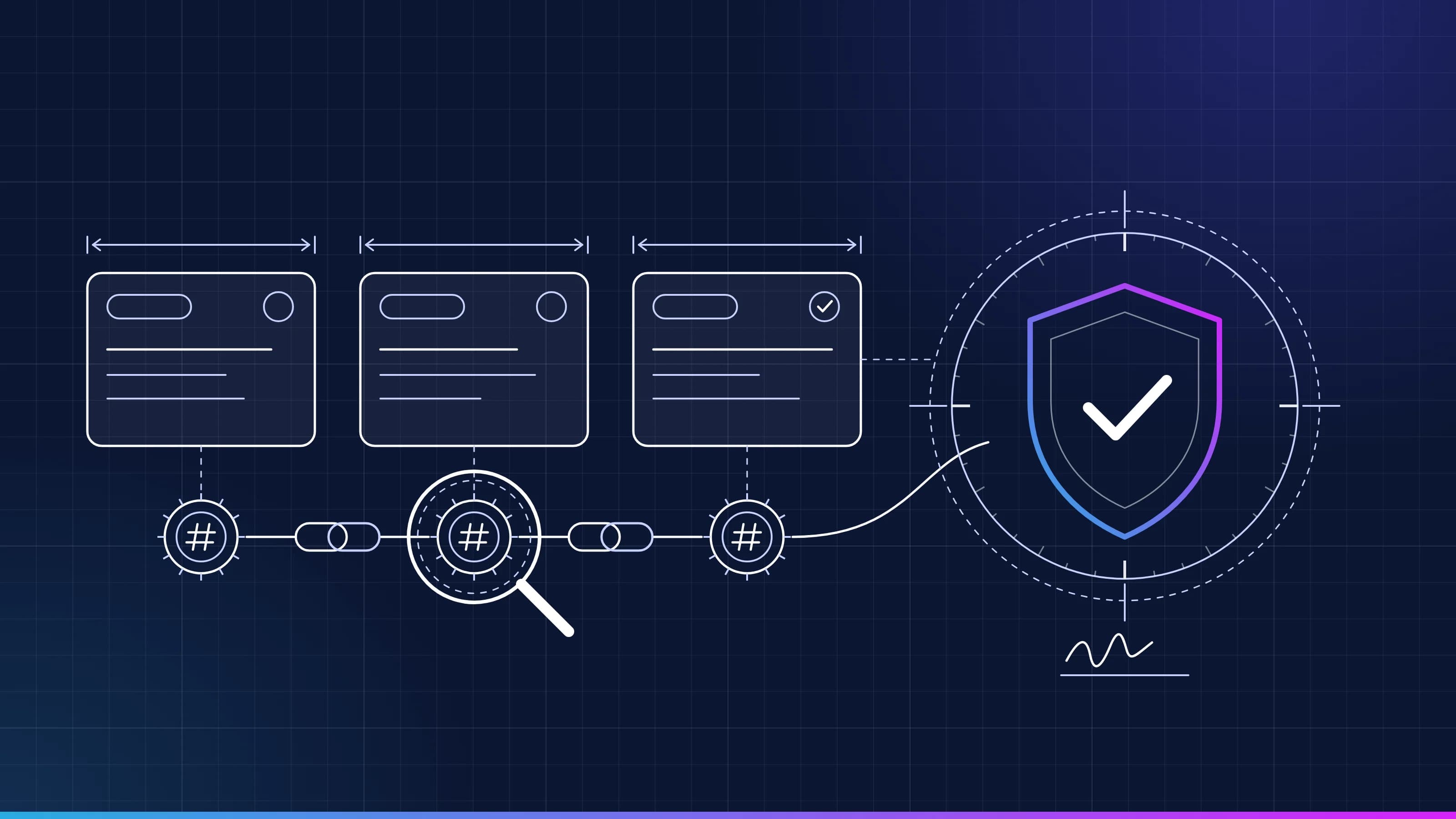 Guide · AI audit trailRead a task recordEvery task Inovagio runs leaves a tamper-evident record. Here is what each line means, how the seals chain together, and how to replay a task end to end. · updated November 18, 2026 · 5 min read
See these numbers for one of your workflows.
We work out what the work costs today, set the measures in the charter your sponsor signs, and report them every month.