

Topic
Knowledge.
Here, knowledge means the rules, records and exceptions that decide how work is done in your organization, written down and approved by the people who own them. The pieces here cover how that knowledge is gathered from your people and documents, kept current, and used on every task.
These pieces are for the people who own a process and the experts who approve its rules, so they know what they will be asked for.
The site's main page on knowledge: Synesis, the knowledge layer.
15 articles and guides on knowledge.
 Guide · Context engineeringContext engineering for enterprise AI agentsContext engineering decides what an AI agent sees at each step of a task. The research on why long contexts fail, the techniques that keep context small, how agent memory fits in, and the controls that stop context from becoming an attack path. · updated November 18, 2026 · 18 min read
 Article · Data qualityData hygiene for AI: your knowledge layer is only as clean as your dataAn AI agent acts on whatever record it is handed, so a duplicate customer or an old policy becomes a wrong action, not just a wrong number. What dirty data looks like to an agent, what regulators have already seen, and why a knowledge layer makes the problems visible and fixable. · updated November 18, 2026 · 8 min read
 Article · OwnershipForward-deployed engineers: what you should ownMore AI vendors now send forward-deployed engineers to build inside your company, and Gartner predicts most of those systems will be abandoned. Here's what leaves with the engineers, what to write into the contract, and what you should own on the day they go. · updated November 20, 2026 · 9 min read
 Guide · Knowledge graphHow AI agents use your knowledge graphAn AI agent uses your knowledge graph in five steps. Approved terms become concepts, the ontology types the graph, retrieval finds connected records and their evidence, your rules check the result, and failures go to a person. How each step works, and what the GraphRAG research shows. · 17 min read
 Guide · KnowledgeKnowledge layer: questions and answersStraight answers to the questions buyers and architects ask about the knowledge layer for AI agents, from ontologies, knowledge graphs and semantic layers to context engineering, GraphRAG, semantic caching, small models and who owns it all. · updated November 18, 2026 · 12 min read
 Guide · Data qualityPreparing data for a knowledge layer: a step-by-step guideHow to get data ready for a knowledge layer and the AI agents that read it, in the order that works. Scope by the first queue, profile against named quality dimensions, name owners, resolve entities reversibly, clean documents, record lineage, map to the ontology and put a contract on every source. · updated November 18, 2026 · 17 min read
 Guide · Semantic layerSemantic layer for AI agents: governed metrics for accurate answersA semantic layer defines each business metric once, with its joins and its owner, so an AI agent asks for "credit note rate" instead of writing its own SQL. What the 2023 to 2026 benchmarks show, a worked metric definition, the open Ossie standard and where MCP fits. · updated November 20, 2026 · 14 min read
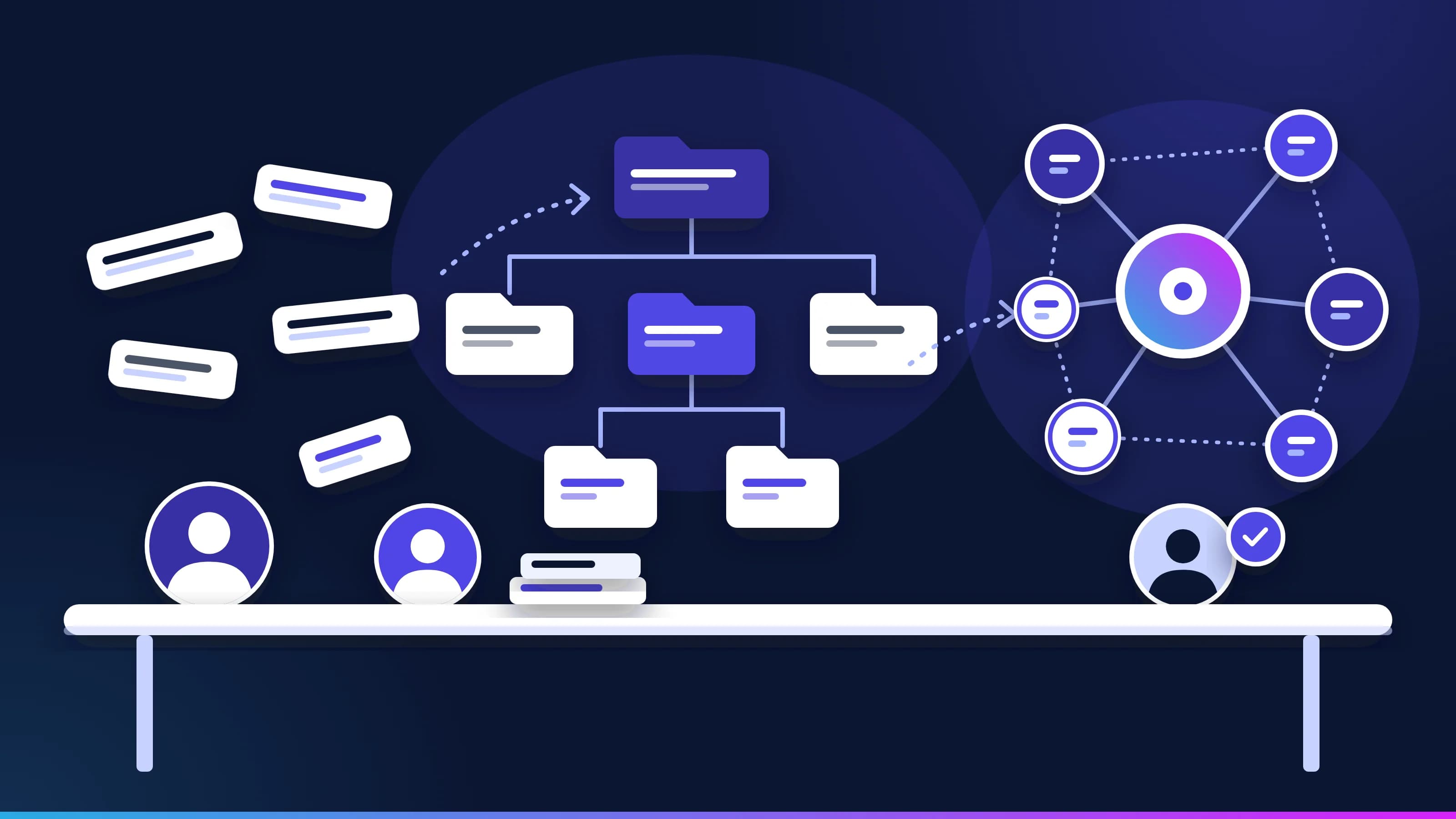 Article · OntologyTaxonomy, ontology, knowledge graph: what each one does for AIA taxonomy sorts your words, an ontology writes down the rules between the things they name, and a knowledge graph connects your real records under those rules. What each stage fixes for an AI agent, who approves it, and where to start. · 13 min read
 Article · Context engineeringWhat is a context layer, and why do AI agents need one?A context layer tells an AI agent what your words mean, which rules apply, which records it may open and what was decided before. Gartner now calls it a core part of data infrastructure, and Forrester the next step after semantic layers and knowledge graphs. Here is what goes in one, in plain words. · updated November 18, 2026 · 11 min read
 Guide · GovernanceHow an AI business rule is written and approvedEvery Virtual Employee works from rules approved one at a time by the people you make responsible. What a rule contains, who signs it, how a correction becomes a new version, and how any change is rolled back. · updated November 18, 2026 · 9 min read
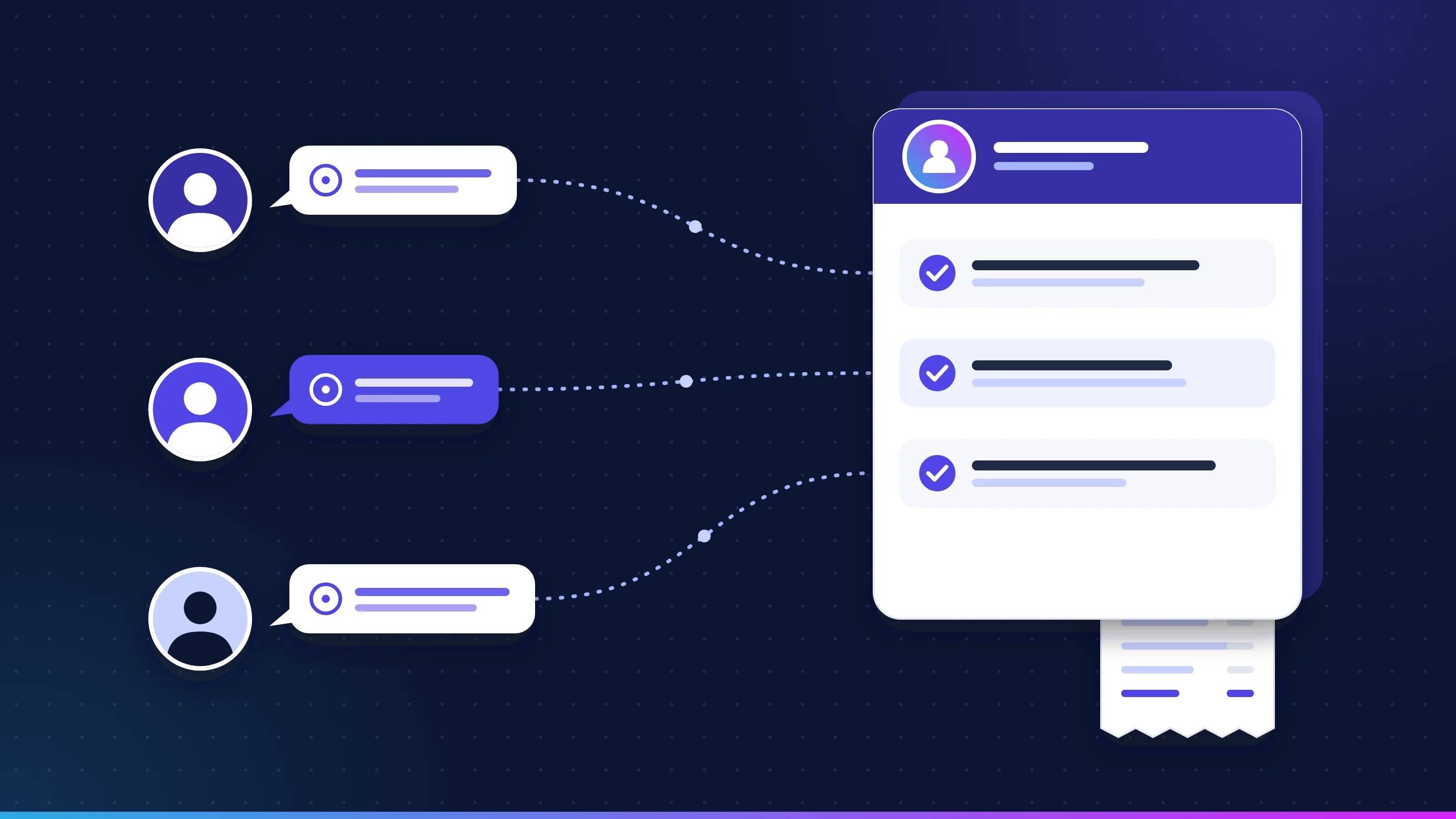 Guide · ApproachVirtual Employees: questions and answersStraight answers to what buyers ask about Virtual Employees, including what they are, how they learn your rules, what they never do, who owns what, where they run, how cost is measured, and how they differ from AI assistants. · updated November 18, 2026 · 12 min read
 Article · ApproachWhy AI at work stallsMost AI at work stalls because it doesn't know your team's rules and waits to be asked. Here is why AI projects fail in operations, and what changes when the routine queue goes to a worker that knows them. · updated November 18, 2026 · 8 min read
 Article · KnowledgeWhy the knowledge build stallsWriting down how a team really works is where most AI implementation time goes, and almost none of it is spent writing. Four stalls account for most of the delay, and the method is built around each one. · updated November 18, 2026 · 7 min read
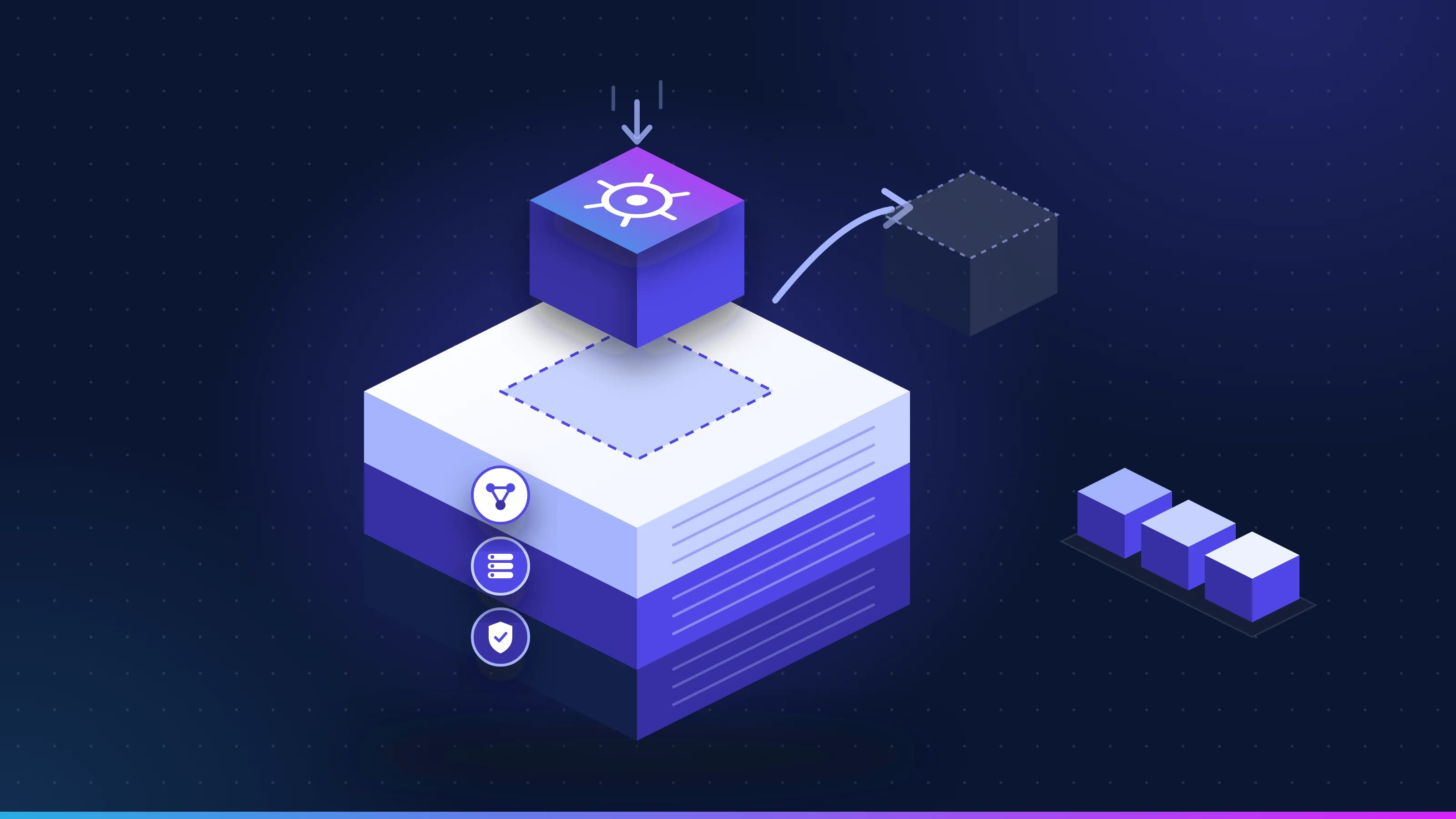 Article · ApproachFaster AI makes owning it more valuableIf AI models keep improving this fast, why own any of it? Because a better model still doesn't know your business, and every layer you own gains value with each new model. · updated November 20, 2026 · 3 min read
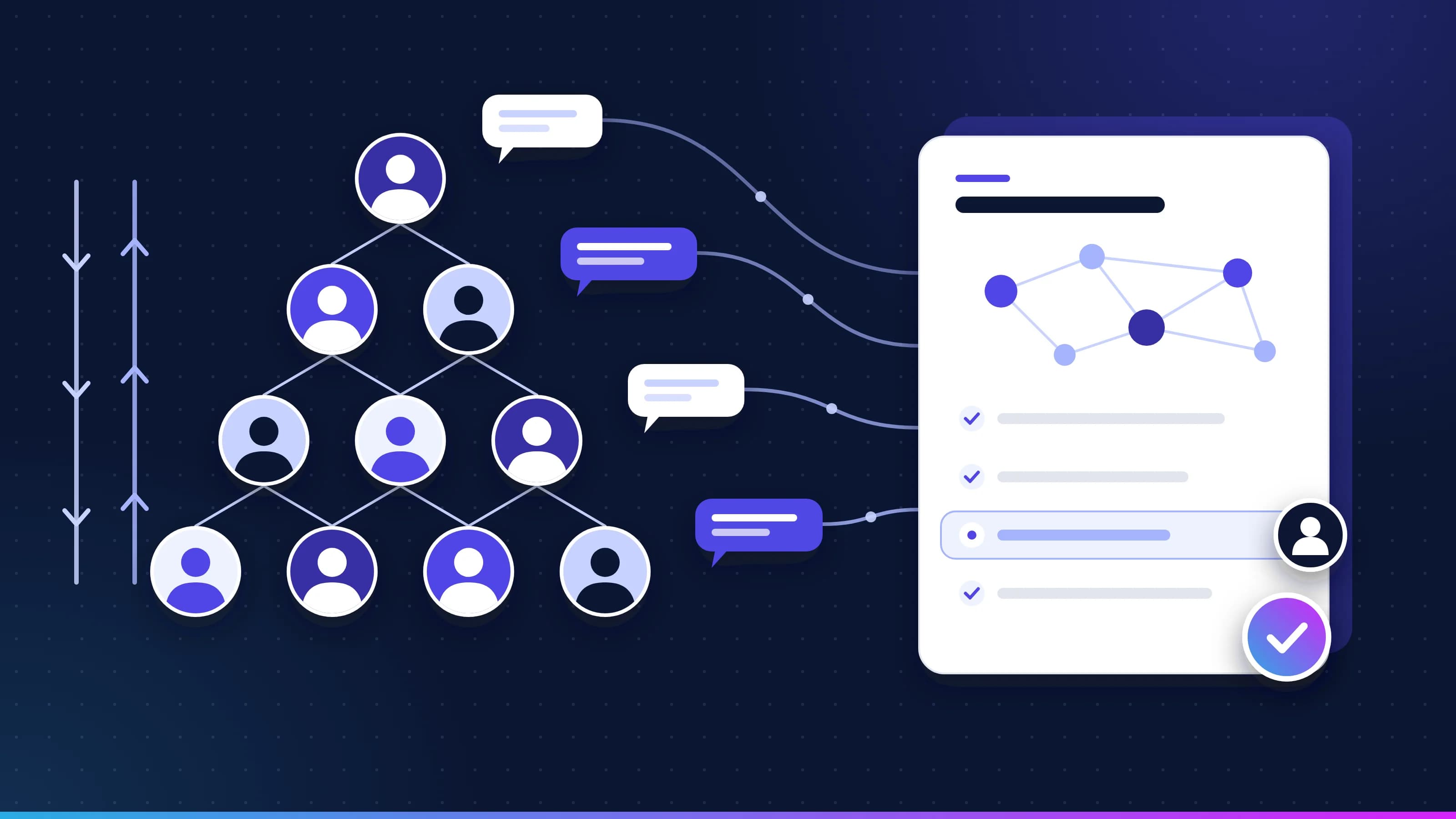 Article · ApproachWhy we start by listeningAI assistants read what was written down. Most of how a regulated business really runs never was. So before any work starts, our agents interview your people. · updated November 18, 2026 · 4 min read
See how the platform would handle your own work.
In a short briefing, the people who build it walk through one of your workflows with you.